
Written by
Ishioma Appiah-Yeboaj
The Federal Government has launched a new free-to-air digital television platform aimed at expanding access to quality broadcasting, creating jobs, and boosting Nigeria’s creative economy.
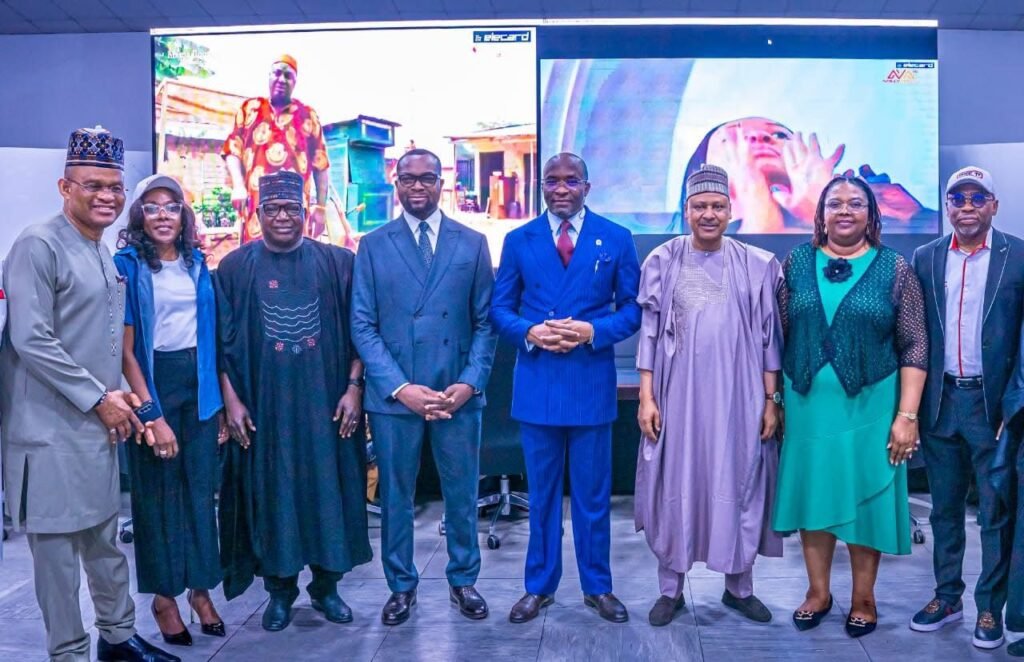
The Digital Switch Over, or DSO platform, was unveiled in Abuja by the Minister of Information and National Orientation, Mohammed Idris, who described the initiative as a major step in modernising Nigeria’s broadcasting sector and driving economic growth.
According to the minister, the platform will deliver clearer television signals, provide more channels for viewers, create opportunities for content creators, and generate new revenue streams for broadcasters and advertisers.
For millions of Nigerians, the project is expected to improve access to information, education, and entertainment, particularly in underserved communities where access to digital services remains limited.
The government says the fully implemented digital broadcasting ecosystem will stimulate local manufacturing, create employment opportunities across the value chain, and strengthen the country’s growing creative industry.
Mohammed Idris noted that the project aligns with President Bola Tinubu’s Renewed Hope Agenda and forms part of broader efforts to build a more connected and competitive economy.
He explained that the new platform will operate through a hybrid model, combining digital terrestrial television, satellite broadcasting, and digital application-based services to ensure wider coverage and improved service delivery.
Also speaking at the launch, the Minister of Communications, Innovation and Digital Economy, Dr. Bosun Tijani, described the DSO as a critical component of Nigeria’s digital transformation agenda.
He revealed that the government is working to deploy ninety thousand kilometres of fibre-optic infrastructure nationwide and plans to launch two additional satellites to improve communication services and digital connectivity.
Industry stakeholders say the digital switch-over could significantly transform the media landscape by increasing the number of available channels, encouraging local content production, attracting investment, and creating opportunities for young Nigerians in broadcasting, film production, technology, advertising, and related sectors.
The Director-General of the National Broadcasting Commission, Charles Ebuebu, described the platform as more than a television service, saying it represents a national communications infrastructure designed to expand digital opportunities for citizens.
Similarly, the Managing Director of NIGCOMSAT, Jane Egerton-Idehen, said the platform would help bridge connectivity gaps and position Nigeria as a leading digital broadcasting hub in Africa.
The launch marks another attempt by Nigeria to complete its long-awaited transition from analogue to digital broadcasting, a move experts say could unlock significant economic value while improving the quality and accessibility of television services across the country.
For Nigerians, the significance is clear: more viewing choices, better picture quality, increased access to information, and potentially thousands of new jobs in the media, technology, manufacturing, and creative sectors.