
Written by
Ishioma Appiah-Yeboah
Statkeholders in Nigeria’s agriculture, youth development, and climate sectors have called for increased investment in agroecology and youth-focused agricultural policies to strengthen food security, tackle unemployment, and build resilience against climate change.
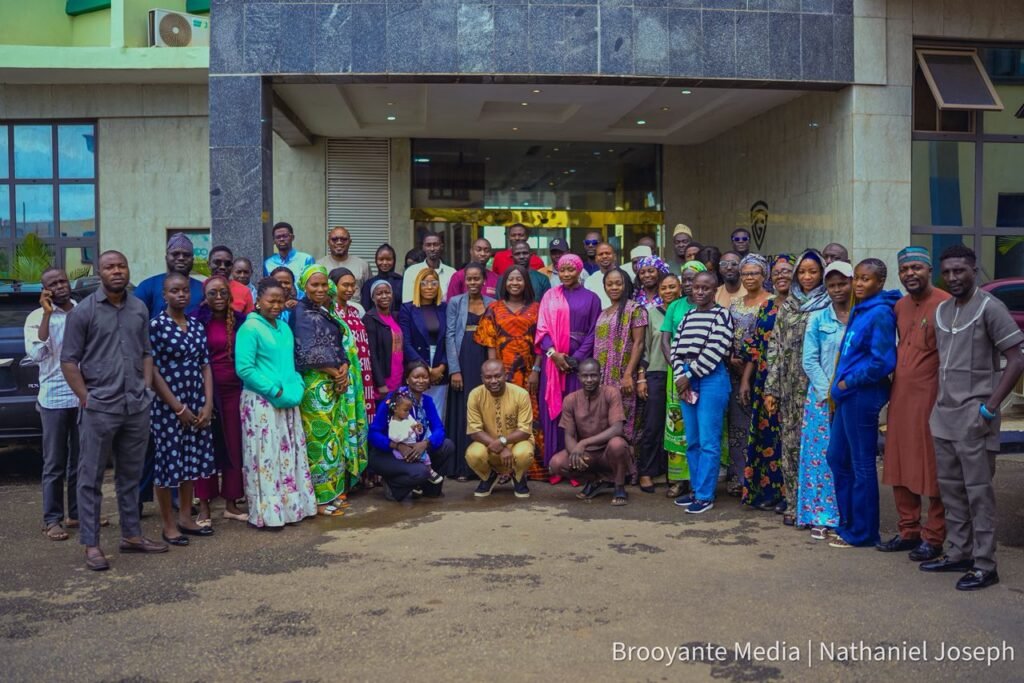
The call was made during a High-level dialogue to advance agroecology as a pathway to sustainable livelihoods, climate resilience, and economic opportunity for young people in the Federal Capital Territory which was organized by ActionAid Nigeria, in partnership with YouthHubAfrica in Abuja, on Thursday.
Representing the Federal Ministry of Youth Development Olawande Wisdom , the Principal Youth Development Officer of the Ministry Maryam Ndayako said young people remain central to Nigeria’s agricultural transformation and emphasized the need to create opportunities for youth participation in climate-smart agriculture and sustainable value chains.“Young people constitute a significant proportion of Nigeria’s population and are critical drivers of agricultural transformation, food security and climate resilience,” the minister stated.
The minister added that climate change continues to threaten livelihoods and increase migration pressures, making it necessary to equip young people with relevant skills, improve access to productive resources and markets, and support innovation within the agricultural sector.He equally reaffirmed the ministry’s commitment to collaborating with stakeholders to develop policies and initiatives that empower young people while promoting sustainable development and national food security.
Speaking on the objective of the dialogue, Programme Lead for Democracy and Governance at YouthHub Africa, Peter Onga Ejogoya, said the event was designed to bring together young farmers, women farmers, government officials, and development actors to discuss challenges affecting agricultural productivity and youth participation in farming.
According to him, insecurity, limited access to funding, and declining profitability have contributed to reduced interest in agriculture among young Nigerians.He described agroecology as a sustainable farming system that promotes the use of organic fertilizers and organic pesticides instead of conventional chemical inputs.“
Agroecology is climate-friendly, environmentally sustainable and can serve as an alternative source of livelihood for young people,” Ejogoya said.He noted that many young people continue to migrate to urban centres, particularly the Federal Capital Territory, in search of economic opportunities, often facing unemployment and frustration.He said agroecological farming offers an opportunity for young people to engage in productive agricultural activities within their communities and generate income from relatively small-scale operations.
Ejogoya also identified inadequate funding as a major challenge facing young farmers and women involved in agriculture, stressing that government support remains critical to the growth of the sector.While acknowledging contributions from civil society organisations and development partners, he urged government to take a leading role in providing incentives and investments that would make farming more profitable.
He argued that many existing interventions focus on the distribution of inorganic fertilizers, which he said are not environmentally sustainable, rather than supporting climate-friendly agricultural practices.According to him, rising production costs have made farming less attractive, with some farmers struggling to recover their investments after harvest.He called for increased subsidies, access to agricultural inputs, and targeted support programmes that would reduce production costs and improve returns for farmers.
Agritech expert Goodness Ofido described the dialogue as timely, noting that sustainability has become a major focus within both the agriculture and environmental sectors.She said agroecology has the potential to contribute significantly to food security while promoting environmentally sustainable farming practices.“We are having this conversation at the right time because sustainability is one of the key issues shaping agriculture today,” Ofido said.She emphasized that awareness creation is an important first step toward increasing adoption of agroecological practices but noted that adequate funding would be required to achieve meaningful impact.
According to her, governments, development partners, private sector actors, and other stakeholders must work together to support organisations promoting agroecology and sustainable agriculture.
Participants at the dialogue agreed on the need for stronger partnerships, increased investment, and inclusive policies to encourage youth participation in agriculture and support the transition to climate-resilient food systems.
The event formed part of ongoing efforts by YouthHub Africa and its partner Action Aid Nigeria to strengthen agroecology networks, improve market systems, and promote sustainable agricultural practices among young people and women across Nigeria.