
Written by
Ishioma Appiah-Yeboah
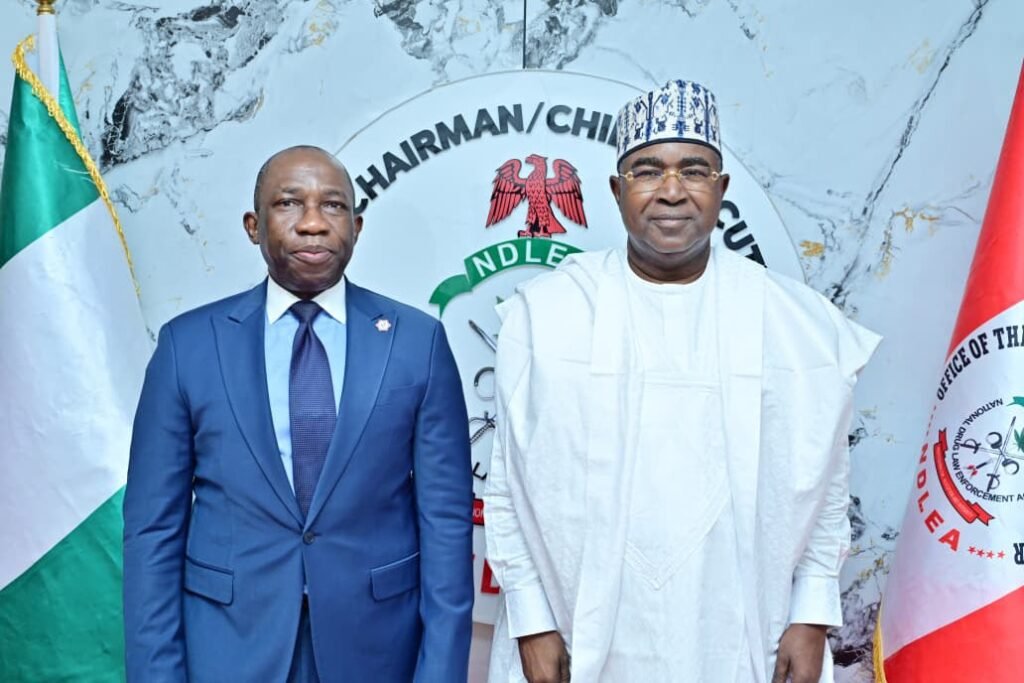
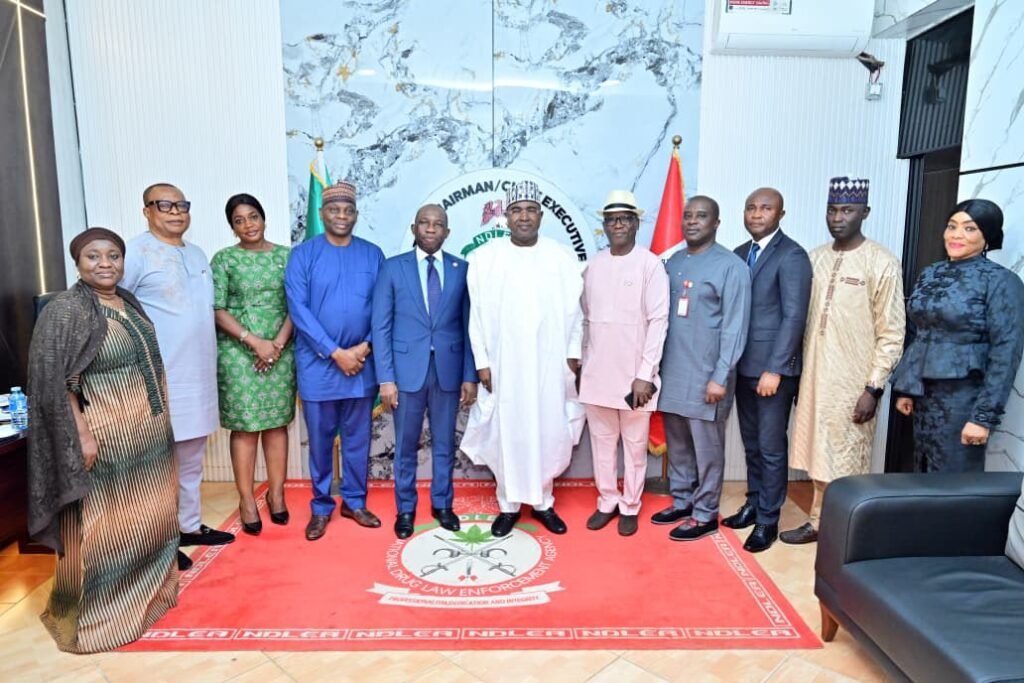
The National Drug Law Enforcement Agency (NDLEA) and the Nigerian Copyright Commission (NCC) have entered into a landmark partnership to combat the growing nexus between drug trafficking, copyright piracy and other forms of organised crime in Nigeria.
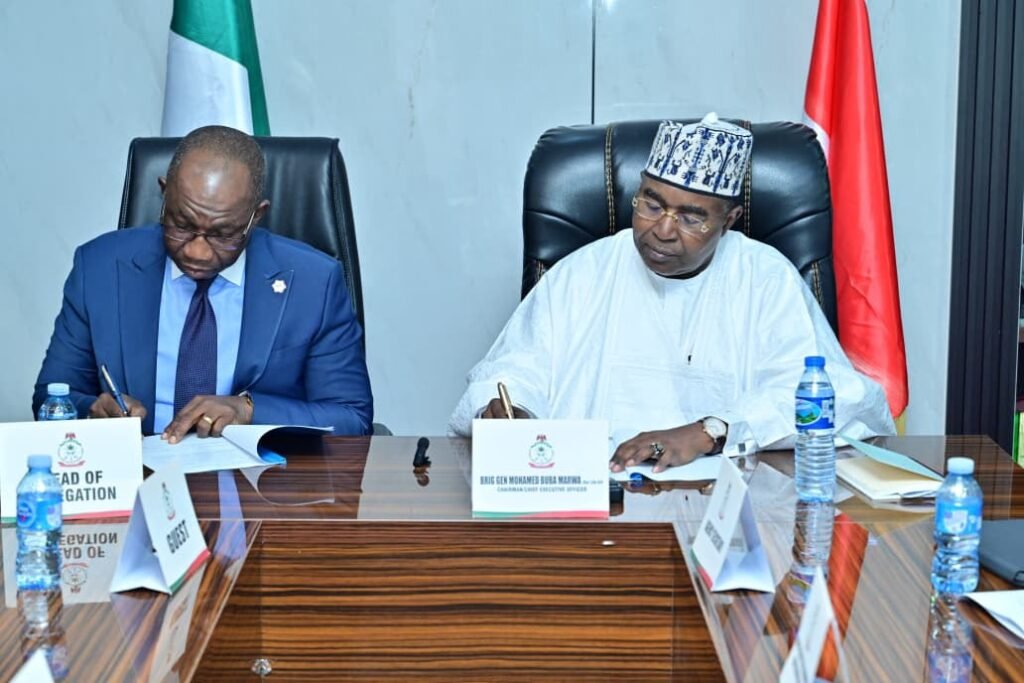
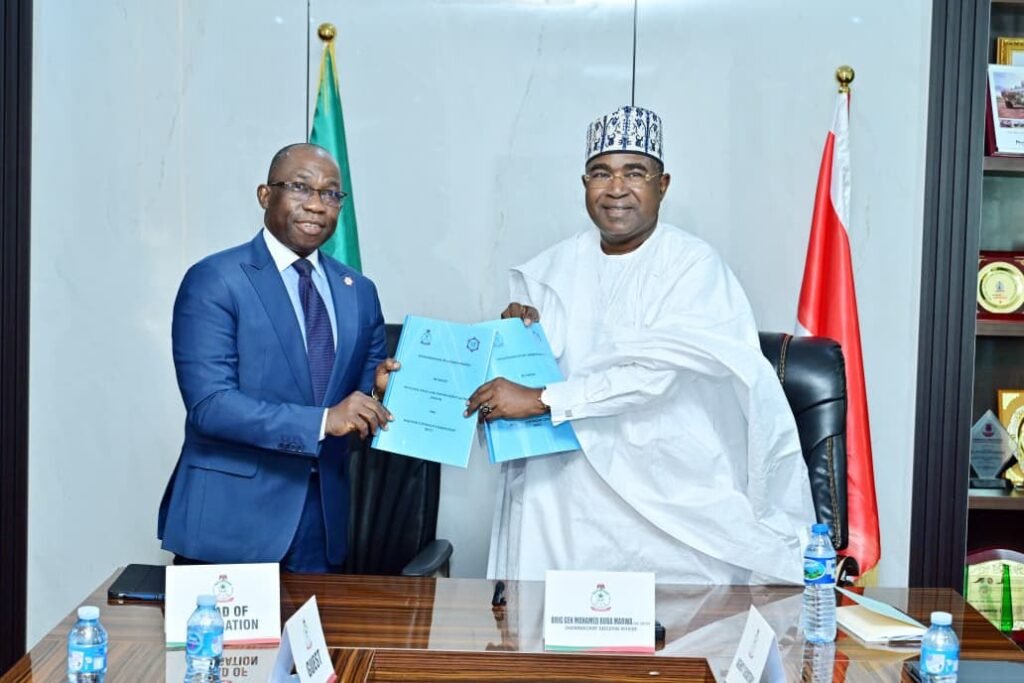
The alliance was formalised on Friday with the signing of a Memorandum of Understanding (MoU) at the NDLEA Headquarters in Abuja, marking a major step towards strengthening intelligence-led law enforcement and protecting both national security and Nigeria’s creative economy.
Speaking at the ceremony, NDLEA Chairman and Chief Executive Officer, Brig. Gen. Mohamed Buba Marwa (Rtd), said the collaboration reflects the reality that criminal syndicates often operate across multiple illegal enterprises, using the proceeds from one crime to finance another.
“Our experience at the frontlines of drug law enforcement has shown that criminal networks rarely confine themselves to a single illicit enterprise,” Marwa said.
He explained that the same syndicates involved in narcotics trafficking are often linked to the piracy of books, films, music, software and other intellectual property, depriving creators of legitimate earnings while strengthening organised criminal networks.
According to him, the partnership provides a structured framework for both agencies to exchange intelligence, coordinate joint operations, strengthen investigations, build the capacity of personnel and deploy technical resources to disrupt criminal value chains.
Marwa disclosed that a Joint Working Committee would be established to drive the implementation of the agreement and ensure that the collaboration delivers measurable results. He stressed that the initiative goes beyond law enforcement, describing it as a strategy to protect public health, preserve Nigeria’s creative talent and strengthen the country’s economy.
“This partnership is about safeguarding the immense creative talent of this nation while protecting society from the devastating effects of illicit drugs,” he added.
The NDLEA boss also commended the Copyright Commission for recognising the connection between drug trafficking and piracy, describing the partnership as a model of effective inter-agency collaboration in tackling organised crime.
On his part, Director-General of the Nigerian Copyright Commission, Dr. John Asein, described the agreement as a significant milestone in the Federal Government’s efforts to strengthen cooperation among law enforcement agencies.
He warned that copyright piracy should no longer be viewed as a minor commercial offence, noting that it has evolved into a sophisticated criminal enterprise with far-reaching economic and security implications.According to Asein, organised piracy deprives creators and investors of legitimate income, destroys jobs, discourages investment, reduces government revenue and weakens Nigeria’s creative economy.
He noted that international experience has shown that the same criminal syndicates, logistics channels, financial networks and distribution systems used to traffic pirated goods are frequently linked to narcotics trafficking, money laundering, smuggling and cyber-enabled crimes.
“The same transportation routes, storage facilities, financial channels and supply chains used for illicit drugs can also be used to distribute pirated books, films, music and software,” he said.Asein added that proceeds from piracy are often channelled into financing other criminal activities, making collaboration between the two agencies both timely and necessary.
He said the partnership would enable the NCC to leverage the NDLEA’s internationally recognised expertise in intelligence-led policing, strategic investigations, surveillance, forensic analysis, financial intelligence and inter-agency coordination.
The NCC Director-General praised the NDLEA under Marwa’s leadership for its professionalism and operational successes, expressing confidence that the collaboration would significantly improve efforts to identify criminal networks, trace illicit financial flows, dismantle illegal supply chains and prosecute offenders.
The partnership is expected to strengthen Nigeria’s fight against organised crime by integrating efforts against drug trafficking and intellectual property theft.
Beyond improving intelligence sharing and coordinated enforcement, the collaboration is also expected to protect Nigeria’s creative industry, disrupt illicit financial networks and support the Federal Government’s broader strategy to combat transnational organised crime.