
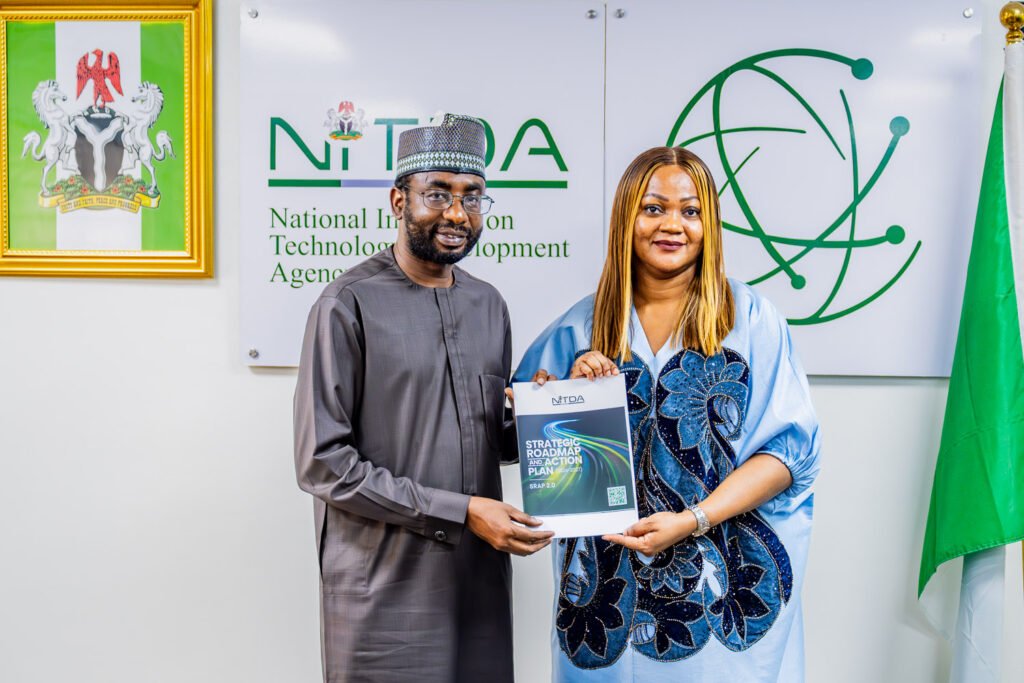

The handover of the Public Key Infrastructure (PKI) framework by the National Information Technology Development Agency (NITDA) to the National Identity Management Commission (NIMC) marks a major step towards building a more secure and integrated digital identity system in Nigeria.
Speaking during the formal handover at NITDA headquarters in Abuja, the Director-General of NITDA, Kashifu Inuwa Abdullahi, CCIE, said the transfer of the technology, assets and ongoing operations underscores the agency’s commitment to working with institutions using technology to drive national development.
Inuwa explained that NITDA had laid a solid foundation for the Public Key Infrastructure and Digital Public Infrastructure (DPI), adding that the agency would continue to work closely with NIMC to ensure a smooth transition.
He noted that PKI provides the security architecture for creating, managing and verifying digital identities through digital certificates, making online transactions, communications and identity authentication more secure and trustworthy.
The development comes on the heels of the newly amended NIMC Act, signed into law by President Bola Ahmed Tinubu, which seeks to harmonise identity databases across government agencies and establish the National Identification Number (NIN) as the primary means of identity verification and access to public services.
The NITDA boss also reaffirmed the agency’s commitment to supporting digital transformation across government institutions, stressing that its mandate goes beyond regulation to promoting innovation, collaboration and inclusive technology adoption.
According to him, Digital Public Infrastructure is as critical to national development as physical infrastructure and must remain secure, reliable and accessible to all Nigerians.
On her part, the Director-General and Chief Executive Officer of NIMC, Engr. (Dr.) Abisoye Coker-Odusote, described the amended NIMC Act as a landmark reform that replaces the nearly two-decade-old identity framework introduced in 2007.
She said the new law paves the way for Nigeria’s transition from a conventional identity database to a modern digital identity ecosystem capable of supporting secure and seamless services across both the public and private sectors.
Coker-Odusote explained that the new framework is built on the principle of “one person, one identity,” enabling every Nigerian to have a unique and verifiable digital identity while replacing traditional card-based systems with secure digital credentials.
She added that the implementation of the new system would be carried out in phases to ensure the protection of citizens’ data and maintain public confidence.
Both agencies expressed confidence that the collaboration will strengthen Nigeria’s digital identity ecosystem, improve access to government services, enhance cybersecurity and accelerate the country’s digital economy agenda.