
Written by
Ishioma Appiah-Yeboah
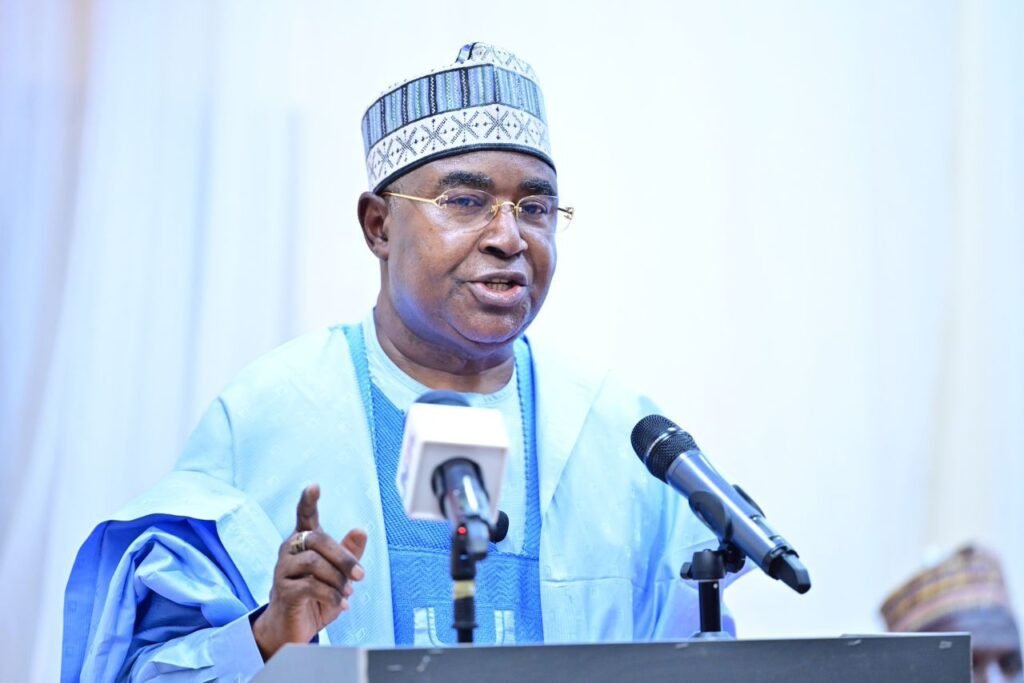
The Chairman and Chief Executive Officer of the National Drug Law Enforcement Agency, Mohamed Buba Marwa, has warned Nigerian youths against the dangers of drug abuse, describing it as a threat capable of destroying their future and career prospects.
Marwa gave the warning on Tuesday while delivering a public lecture at the combined 29th and 30th convocation ceremony of the University of Abuja.
Speaking on the theme, “High Today, Lost Tomorrow: The Real Cost of Drug Abuse on Campus,” the NDLEA boss said substance abuse has now moved beyond the streets and is rapidly becoming a major problem within tertiary institutions.
He noted a growing shift from traditional drugs like cannabis to more dangerous synthetic substances, including methamphetamine, popularly known as “Colorado” and “Loud.” He also raised concern over the role of social media in facilitating drug distribution among students.
Marwa warned that a drug-related conviction could permanently end a young person’s career, stressing that offenders risk being barred from practicing professions such as law, medicine, and engineering.
He further revealed that statistics from the agency show that more than 77,000 drug offenders were arrested over the past five years, with over 60 percent being young people. He added that many drug users are introduced to substance abuse as early as 19 years, with cases now recorded among teenagers below 15.
The NDLEA Chairman linked drug abuse to rising cases of cultism, campus violence, mental health challenges, and premature deaths among youths.
Addressing graduating students, Marwa urged them to remain focused and avoid negative peer influence as they step into a fast-paced, technology-driven world.
He emphasized that Nigeria needs the energy, talent, and clear minds of its young people to drive national development.
Marwa also called on stakeholders, including educational institutions and families, to strengthen efforts in drug education and prevention, noting that the impact of substance abuse extends beyond individuals to families, institutions, and society at large.