
The Independent National Electoral Commission, INEC, is stepping up its communication and voter education strategy ahead of the 2027 general elections, as Nigeria’s voter register is projected to surpass 100 million.
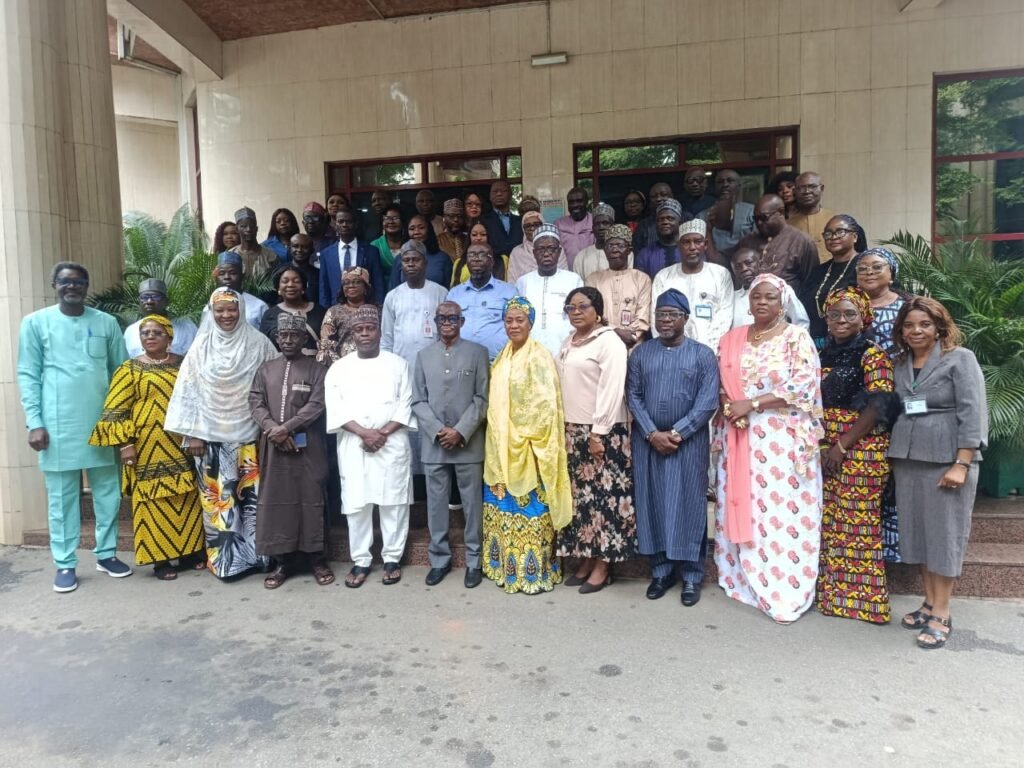
INEC National Commissioner and Chairman of the Information and Voter Education Committee, Mohammed Haruna, disclosed this on Tuesday in Abuja at a joint implementation meeting of the Commission’s Departments of Voter Education and Publicity, VEP, and Gender and Inclusivity, G&I.
Haruna said the previous voter register contained more than 93 million registered voters, with the figure expected to cross the 100-million mark once the recently concluded nationwide Continuous Voter Registration, CVR, exercise is finalised.
He said the projected figure would further strengthen Nigeria’s position as Africa’s largest electoral democracy, while presenting the Commission with a major communication challenge.
With 151 days to the first phase of the 2027 general elections, Haruna charged INEC information officers to ensure that eligible citizens receive clear, timely and effective information to enable them participate in the electoral process.
He stressed that communicating with more than 100 million voters would require professionalism, simplicity and a strong understanding of the country’s constitutional and electoral framework.
Haruna urged information officers to be conversant with the Constitution, Electoral Law, INEC guidelines, as well as relevant legislation including the Freedom of Information and Data Protection Acts.
The Commission’s Chief Press Secretary, Adedayo Oketola, said the communication strategy must also confront the growing threat of misinformation and disinformation ahead of the elections.
Oketola warned that false information could undermine voter confidence and fuel electoral apathy, stressing the need for proactive, factual and continuous public engagement.
He said INEC’s messaging must go beyond conventional announcements to daily civic education capable of simplifying electoral processes and demystifying technologies such as the Bimodal Voter Accreditation System, BVAS, and the INEC Results Viewing Portal, IReV.
On inclusivity, Oketola said women, youths, persons with disabilities and elderly voters must have equal access to the electoral process.
He listed measures such as Braille ballot guides, magnifying glasses, priority queues for vulnerable voters and increased youth participation through CVR as part of efforts to make the 2027 elections more inclusive.
The Director of Voter Education and Publicity, Victoria Eta-Messi, said the joint meeting would provide a coordinated roadmap for implementing voter education and inclusivity programmes across the 36 states and the Federal Capital Territory.
As the electorate heads towards the 100-million mark, INEC says effective communication, public trust and inclusive voter education will be critical to ensuring broad participation and credible elections in 2027.