
For a young girl, childhood should be a time to learn, dream and discover the person she wants to become. But for millions of girls around the world, those dreams are cut short by marriage before they are physically and emotionally ready for the responsibilities of adulthood.
The scale of the problem remains alarming, with a girl married every three seconds worldwide, according to the United Nations Population Fund (UNFPA), which warns that global progress in ending child marriage must accelerate at least 20-fold by 2030 to protect girls from its lifelong consequences.
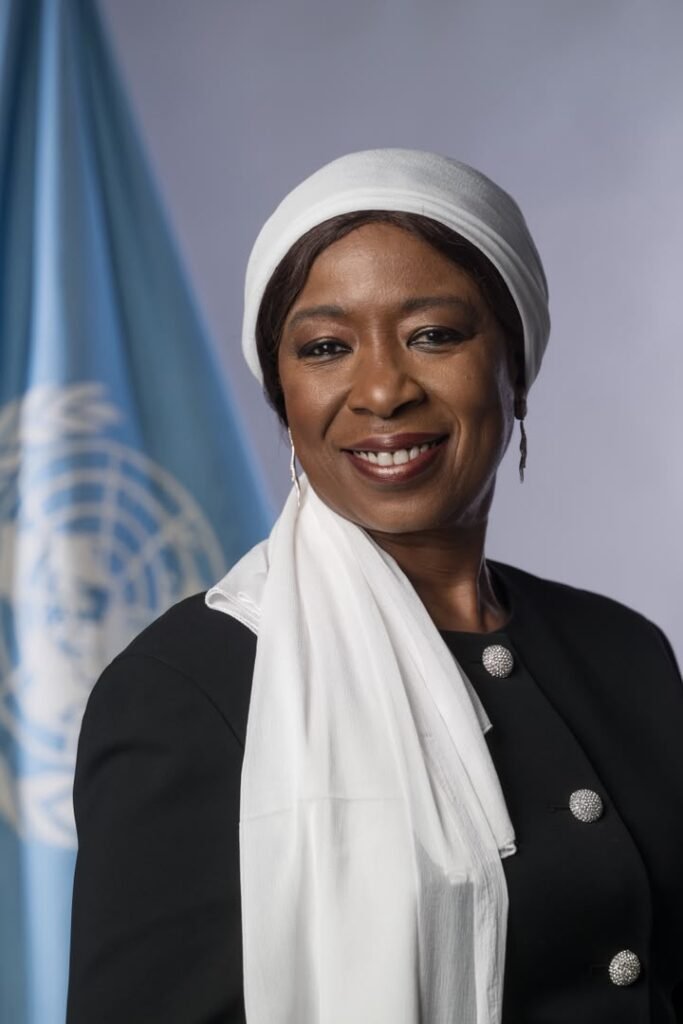
UNFPA Executive Director, Diene Keita, disclosed this in a statement marking the International Day of the Girl, calling on governments, communities and development partners to increase investments in girls’ education, healthcare and protection from harmful practices.
Keita said decades of interventions by UNFPA, the United Nations Children’s Fund (UNICEF) and other partners had slowed the pace of child marriage, but existing efforts remained insufficient to eliminate the practice.
She noted that the consequences extend beyond the loss of childhood, exposing girls to serious health risks, gender-based violence, limited educational opportunities and reduced economic prospects.
According to her, child marriage is also associated with lower labour force participation and costs countries hundreds of billions of dollars annually.
Keita warned that early marriage frequently pushes girls out of school and exposes them to pregnancy before their bodies are fully developed.
She said complications during pregnancy and childbirth remain a leading cause of death among girls aged 15 to 19, while most girls who become mothers during childhood were married before reaching adulthood.
The UNFPA chief acknowledged that child marriage is often driven by deeply rooted traditions, economic hardship and parents’ desire to protect their daughters.
However, she stressed that lasting progress requires working with families, communities, and religious and traditional leaders rather than judging them, noting that many are already embracing alternatives that allow girls to remain in school and pursue their aspirations.
Highlighting the impact of sustained interventions, Keita said the UNFPA-UNICEF Global Programme to End Child Marriage had supported more than 40 million girls at risk of or already affected by child marriage over the past decade.
The programme helps girls stay in school, access health services and make informed choices about their lives.
She, however, warned that funding cuts and multiple global crises were threatening progress, putting more girls at risk and making increased investment in prevention more urgent.
Ending child marriage is a target under the United Nations Sustainable Development Goals, which seek to eliminate the practice by 2030.
Keita called on governments and development partners to ensure that every girl has access to education, quality sexual and reproductive healthcare, and the opportunity to make independent decisions about her future.
She stressed that ending child marriage requires more than public commitments, urging stakeholders to adequately fund programmes that protect girls’ rights and enable them to reach their full potential.
Keita maintained that every girl deserves the opportunity to complete her education, enter adulthood safely and shape her future without being forced into marriage.
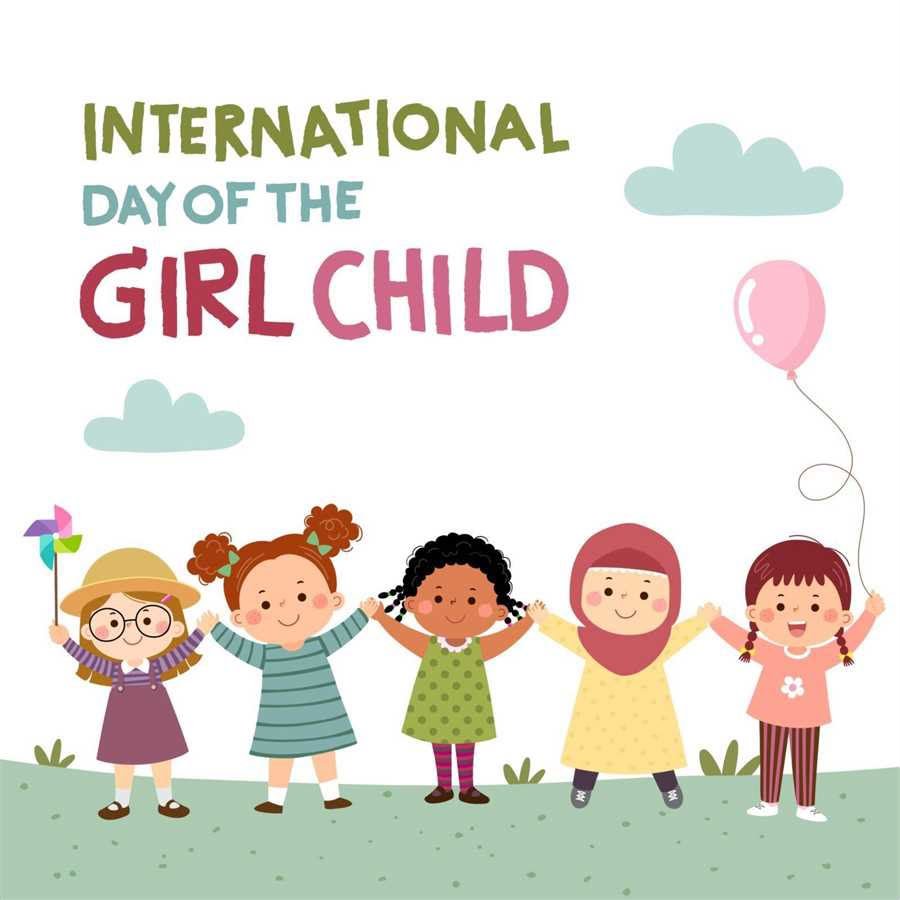
As the world marks the International Day of the Girl Child on October 11, 2026, under the theme “End Child Marriage and Invest in Girls’ Rights,” Keita’s message underscores the urgent need for governments and communities to move beyond commitments to concrete action.