
For many adolescent girls in Nigeria, the journey to adulthood comes with challenges that threaten their education, health and future. Adolescent pregnancy, child marriage and gender-based violence continue to expose girls to risks that can limit their opportunities and potential.
The scale of the challenge is reflected in the 2024 Nigeria Demographic and Health Survey, which found that nearly three in ten girls aged 15 to 19 had experienced pregnancy, according to figures cited by the United Nations Population Fund (UNFPA).
Against this backdrop, UNFPA has partnered with the Kaduna Polo Club and Elamin Polo Team to promote the rights and wellbeing of women and adolescent girls through an unusual platform: an all-female polo exhibition match.
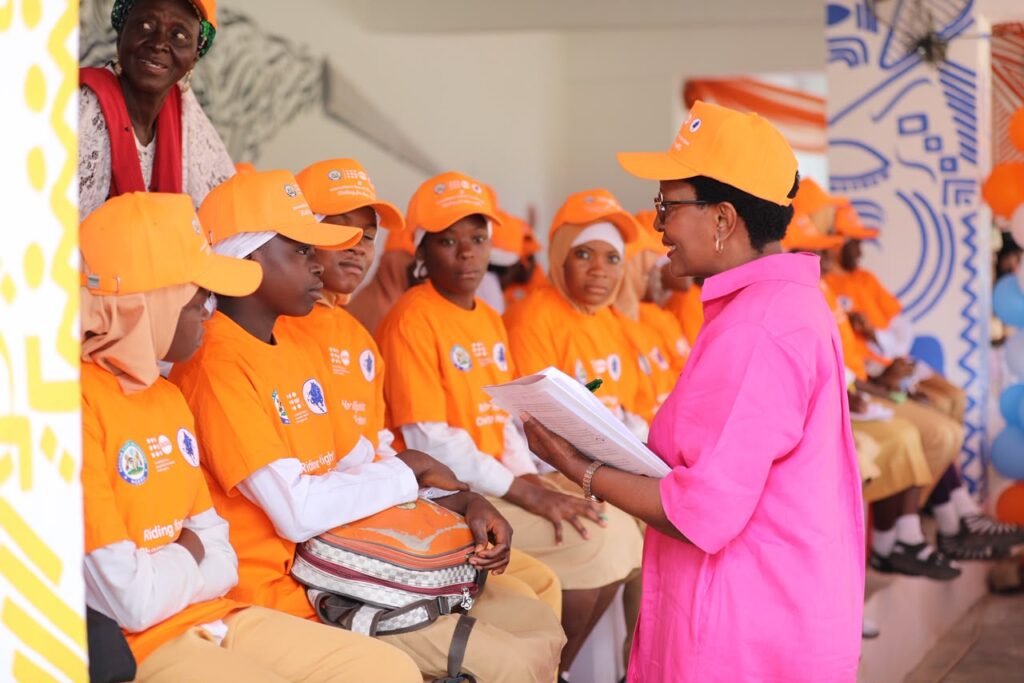
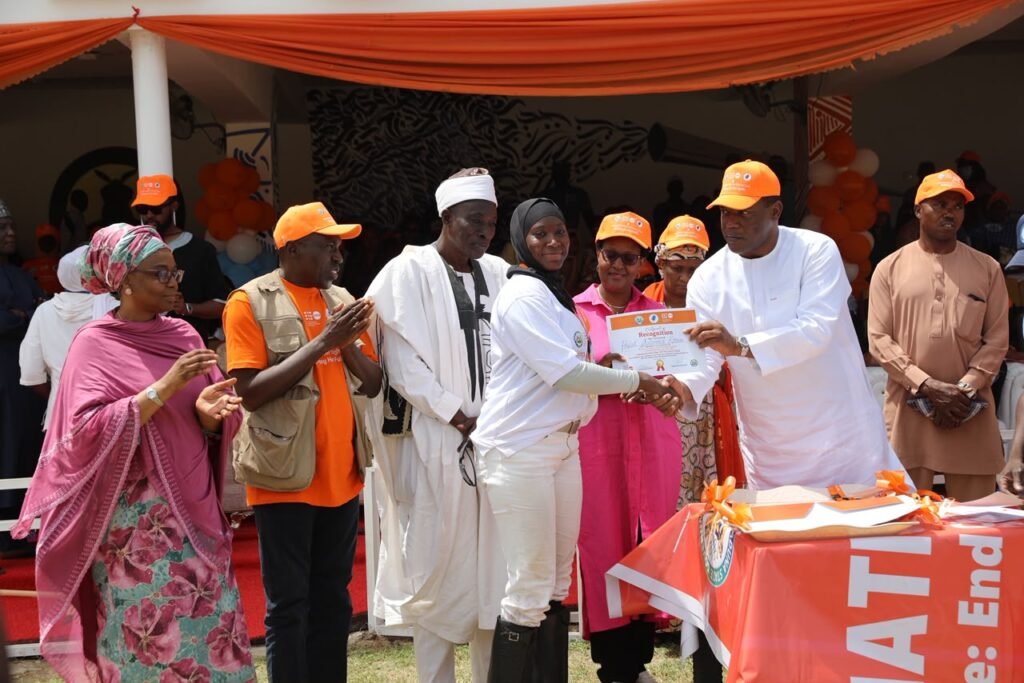
The events, held in Kaduna on October 21 and 22 to commemorate the 2026 International Day of the Girl Child, featured a public dialogue with adolescent girls and a novelty polo match tagged Polo for Humanity.
The initiative aimed to promote gender equality, challenge harmful social norms and strengthen collective action to prevent gender-based violence and practices such as child marriage and female genital mutilation.
Speaking at the opening ceremony, UNFPA Resident Representative, Muriel Mafico, stressed the need to invest in girls and protect their rights to education, health and personal development.
“No girl should have to exchange her childhood for marriage, her education for motherhood, or her dreams. Investment in girls is the smartest thing we can do,” Mafico said.
The all-female exhibition match also used sport to challenge traditional gender expectations in a field historically dominated by men, while encouraging greater participation and inclusion of women.
The First Vice President of the Kaduna Polo Club, retired Brigadier General Kapeh Kazir, said the club was proud to use sport as a platform for social impact.
He reaffirmed the club’s commitment to supporting initiatives that advance equality and protect the future of Nigerian children.
UNFPA and its partners said the activities would extend beyond the commemoration, with plans to sustain advocacy and mobilise influential stakeholders to support girls’ rights, sexual and reproductive health, maternal health and efforts to prevent gender-based violence and other harmful practices.