
For millions of women and girls, the absence of a safe and functional toilet is more than an inconvenience. It can mean compromising their privacy and dignity, risking their safety, missing school or work, and being exposed to preventable infections.
The scale of the global sanitation crisis remains alarming, with approximately 4.5 billion people lacking safely managed sanitation services, while 892 million people still practise open defecation.
In Nigeria, the situation remains a major public health and environmental concern, with access to improved sanitation estimated at below 36 per cent for the majority of the population.
Against this backdrop, the Federal Government has called for stronger action to address sanitation inequalities, particularly those affecting women and girls, as the country joins the rest of the world to commemorate the 2026 World Toilet Day.
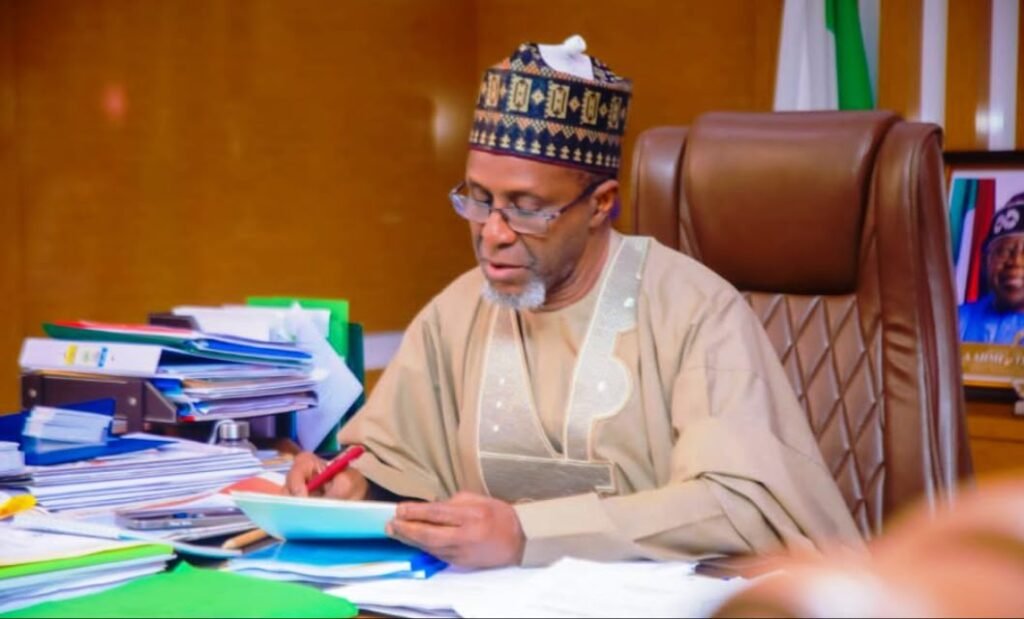
The Minister of Environment, Mallam Balarabe Abbas Lawal, made the call during a ministerial press briefing in Abuja ahead of the November 19 commemoration.
Represented by the Director of Pollution Control and Environmental Health, Mrs Omotunde Adeola, the minister said this year’s theme, “Sanitation and Gender Equality,” with the campaign tagline, “Safe Toilets. Equal Futures,” highlights the critical connection between access to adequate sanitation and the health, safety and dignity of women and girls.
He stressed that sanitation goes beyond providing basic household conveniences, describing it as an essential public health intervention, an environmental safeguard and a fundamental human dignity issue.
Lawal warned that inadequate toilet facilities in public spaces, including markets, motor parks, schools and communities, contribute to open defecation, contamination of food and water sources, and the spread of sanitation-related diseases such as cholera and typhoid.
He noted that women, girls, children, older persons and persons living with disabilities bear a disproportionate burden of poor sanitation, adding that no child should miss school because of inadequate toilet facilities and no woman should have to compromise her safety and dignity due to the absence of appropriate sanitation.
To address these challenges, the minister said the Federal Ministry of Environment was implementing several interventions in collaboration with state governments, relevant ministries and development partners.
These include training Environmental Health Officers on faecal sludge management and appropriate toilet design, promoting sanitation through climate adaptation and circular economy initiatives, and implementing the Clean and Green Programme to improve access to safe public toilets.
Other interventions include the Community-Based Waste Management and Open Defecation Control Programme, as well as partnerships with private sector organisations to develop affordable and environmentally friendly sanitation facilities.
As part of the 2026 commemoration, the ministry is also planning community sensitisation activities at Kpadna Community in Utako, Abuja, on November 19, to educate residents, traders and food vendors on proper sanitation, hand hygiene and safe waste disposal.
The activities will feature interactive discussions, health talks and practical demonstrations by Environmental Health Officers.
The ministry will also convene a National Dialogue on Faecal Sludge Management on November 23, bringing together seven selected states from the six geopolitical zones and the Federal Capital Territory to assess existing interventions, share experiences and develop practical recommendations for improving sanitation management.
The minister disclosed that World Toilet Day activities would be held simultaneously across the 36 states and the FCT through community sensitisation, advocacy campaigns and sanitary inspections of public places.
Earlier, the Permanent Secretary of the ministry, represented by the Deputy Director and Head of Pollution Control and Environmental Health, Mrs Rita Okea, said the annual commemoration, designated by the United Nations General Assembly in 2013, provides an opportunity to accelerate action towards achieving Sustainable Development Goal Six on clean water and sanitation.
She emphasised that the absence of safe, accessible and private toilet facilities in schools, workplaces and public spaces disproportionately affects women and girls, undermining their health, security, dignity and participation in everyday activities.
The Federal Government called on state and local governments to strengthen faecal sludge and wastewater management systems, while urging the private sector to invest in affordable sanitation technologies and climate-resilient infrastructure.
It also called on households and communities to embrace proper toilet use, handwashing and environmental cleanliness, while encouraging development partners and civil society organisations to sustain support for sanitation infrastructure and public education.
The government further stressed that women and girls must not only benefit from sanitation interventions but should also participate actively in designing, implementing and monitoring solutions that address their specific needs.
World Toilet Day is observed annually on November 19 to raise awareness of the global sanitation crisis and promote action towards ensuring safe and sustainable sanitation for all.