
From 18.8 per cent in 2021 to 7.9 per cent in 2025, malaria prevalence in the Federal Capital Territory has dropped by more than half. But with fewer than one in ten households having enough insecticide-treated nets for every family member, health authorities say the fight against the disease is far from over.
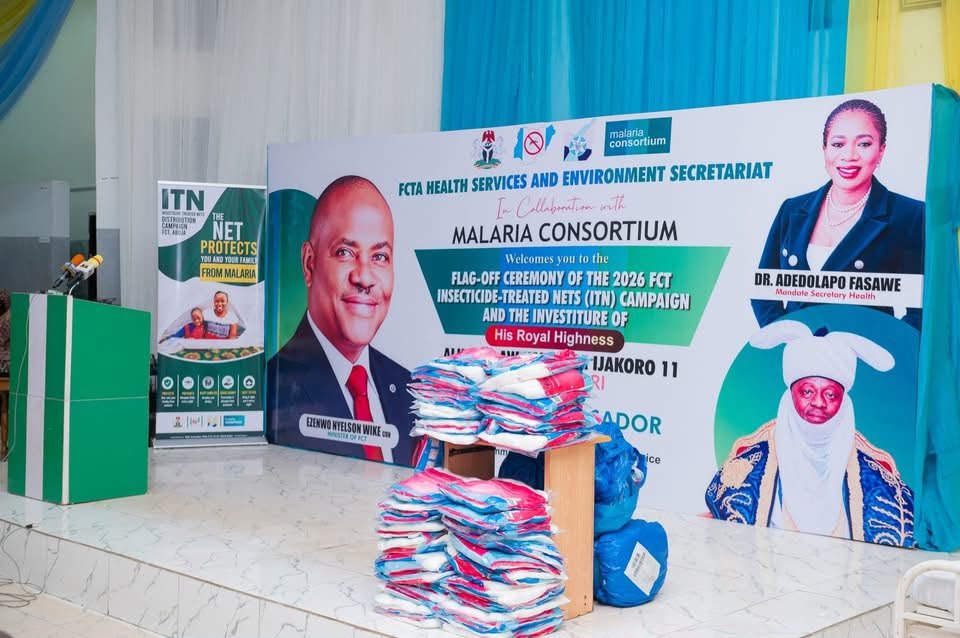
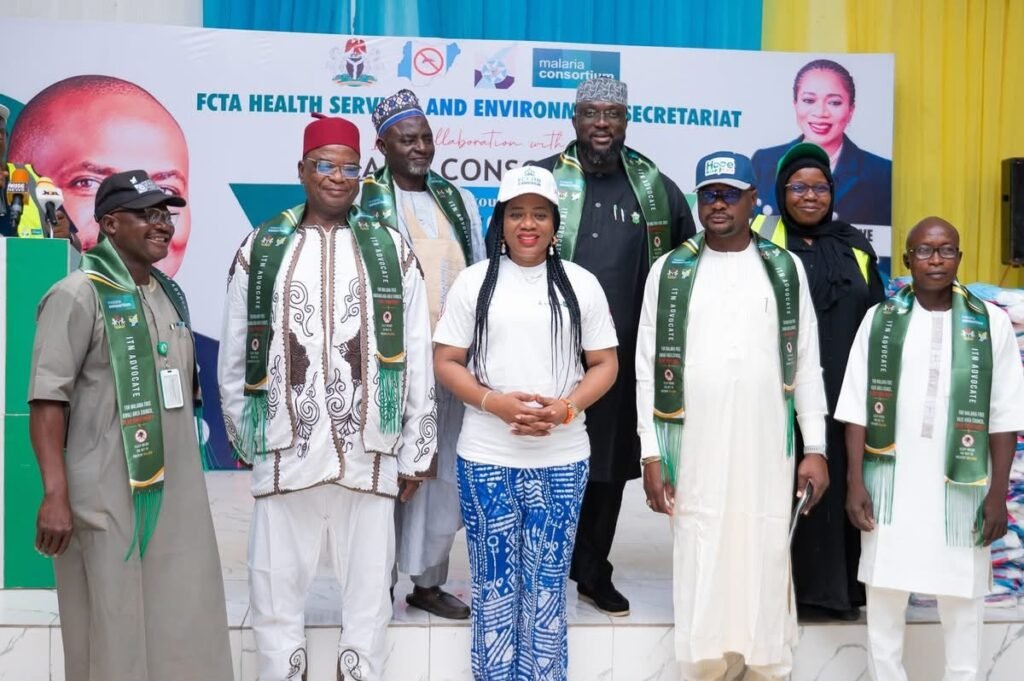

To consolidate the gains, the Federal Capital Territory Administration (FCTA), in collaboration with Malaria Consortium, has flagged off the distribution of 4.8 million insecticide-treated nets under its 2026 campaign.
Speaking at the flag-off ceremony, the Mandate Secretary of the FCT Health Services and Environment Secretariat, Dr Adedolapo Fasawe, attributed the decline in malaria prevalence to the commitment of healthcare workers, community structures and development partners.
She said the administration was determined to sustain the progress, stressing that insecticide-treated nets remain an important tool for protecting households against mosquito bites, particularly at night.
According to Dr Fasawe, while seasonal malaria chemoprevention helps protect children, insecticide-treated nets provide an additional layer of protection for entire households.
The campaign will cover all six area councils of the FCT, with the aim of ensuring that residents in rural communities, settlements and urban estates have access to the nets.
Also speaking, the West and Central Africa Programmes Director of Malaria Consortium, Dr Kolawole Maxwell, commended the FCT for reducing malaria prevalence but warned that the gains could be reversed if prevention efforts are not sustained.
He noted that fewer than one in ten households currently have sufficient insecticide-treated nets for every member of the family.
In his acceptance speech as the FCT Net Ambassador, the Sarkin Bwari, Alhaji Awwal Musa Ijakoro, pledged to mobilise traditional institutions and communities to ensure the campaign reaches every part of the territory.
The flag-off ceremony was attended by representatives of the National Malaria Elimination Programme, area council chairmen, traditional and religious leaders, healthcare professionals and development partners.
The FCTA says the campaign is part of its broader commitment to protecting households and advancing the goal of a malaria-free FCT.