
Written by
Ishioma Appiah-Yeboah
In a landmark move aimed at expanding healthcare access to vulnerable populations, the Federal Capital Territory Administration (FCTA) has flagged off a first-of-its-kind health insurance enrolment and medical outreach programme for inmates across correctional facilities in the FCT.
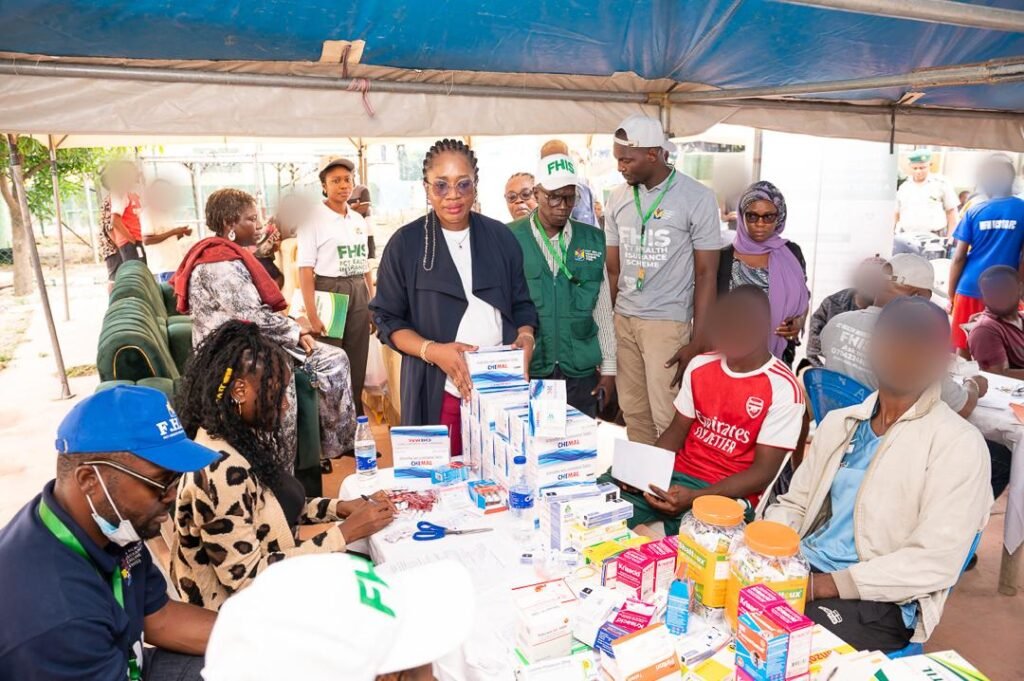
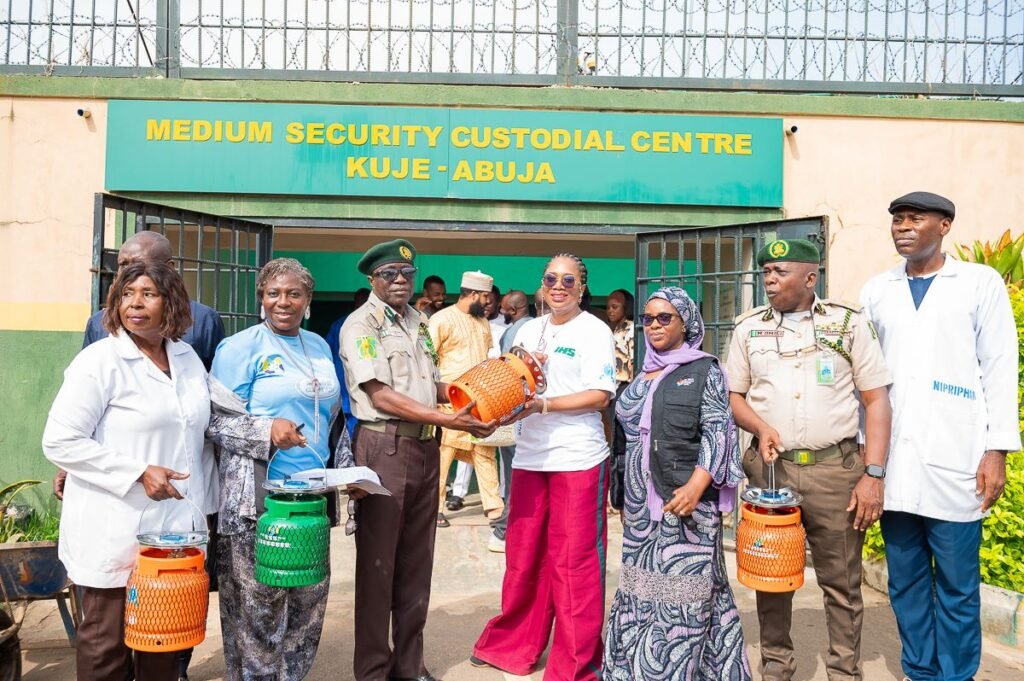
The initiative, championed by the FCT Minister, Nyesom Wike, commenced on Tuesday at the Medium Security Custodial Centre in Kuje, Abuja, with more than 1,500 inmates expected to benefit from the intervention.
The programme marks the first time inmates in the FCT will be formally enrolled into the FCT Health Insurance Scheme (FHIS) under the Basic Healthcare Provision Fund (BHCPF), giving them access to free and comprehensive healthcare services.
Speaking during the flag-off ceremony, the Mandate Secretary of the Health Services and Environment Secretariat, Dr. Adedolapo Fasawe, said the intervention reflects the Renewed Hope Agenda of President Bola Ahmed Tinubu’s administration and demonstrates government’s commitment to inclusive healthcare delivery.
According to her, “Incarceration should not deny anyone access to quality healthcare and dignity. This programme is anchored on the principle of Universal Health Coverage to ensure that no one is left behind regardless of their social or legal status.”
Dr. Fasawe explained that inmates enrolled under the scheme would benefit from free medical consultations, laboratory investigations, radiology services, emergency care, surgeries, and essential medications.
She disclosed that the exercise also included National Identification Number (NIN) registration to ensure proper documentation and seamless integration into the health insurance database.
Beyond healthcare services, the outreach featured health education and sensitisation sessions where inmates were educated on hygiene, disease prevention, and the importance of health insurance.
In an emotional moment during the visit, Dr. Fasawe interacted directly with inmates and supported their vocational activities by purchasing inmate-made products such as sandals, bags, books, and liquid soap. She also donated funds to support the correctional facility’s fashion training programme.
Encouraging the inmates, she urged them to see their present condition as a temporary phase and remain hopeful about reintegration into society.
“You are still valuable members of society. Your current situation does not define your future. Focus on becoming productive citizens when you return to your families and communities,” she told the inmates.
Dr. Fasawe further assured that the correctional facility’s clinic would continue to receive government support, including regular supply of drugs and medical consumables, while steps were already underway to strengthen and accredit the facility’s medical centre for improved healthcare delivery.
She also commended the Minister of Interior, Olubunmi Tunji-Ojo, for prioritising healthcare reforms within correctional institutions nationwide.
The Mandate Secretary praised the leadership of the Kuje Correctional Centre, led by Comptroller Peter Jen and Deputy Comptroller Rasheed Ogundare, as well as the FHIS team headed by Dr. Salamatu Belgore, for their support in implementing the initiative.
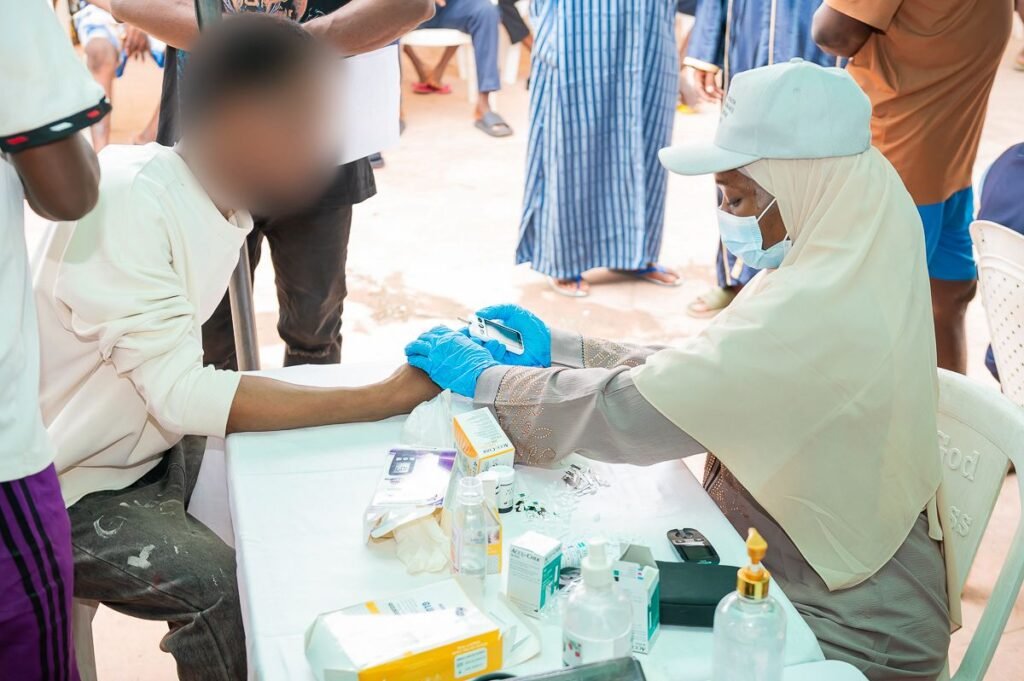
As part of the outreach, inmates received blood pressure and blood glucose checks, malaria testing and treatment, eye screenings, medical consultations, and prescription drugs.
Statistics released during the exercise showed that over 550 inmates were screened for hypertension, diabetes, and malaria, while more than 230 inmates underwent eye examinations, with over 130 receiving corrective eyeglasses.
Additionally, over 250 inmates completed their NIN registration and health insurance enrolment during the exercise.
Deputy Comptroller of the Kuje Correctional Centre, Rasheed Ogundare, described the intervention as unprecedented, noting that it was the first comprehensive government-led healthcare support programme targeted at inmates in the facility.
“This is highly commendable. We have never experienced this level of medical outreach and healthcare support for inmates before. We appreciate the FCTA for this intervention and hope it can be replicated in other correctional centres,” Ogundare said.
The atmosphere at the facility turned emotional as inmates expressed gratitude through songs, dancing, and applause while receiving medical attention and other support items.
Health experts say the initiative is not only significant for inmates but also critical to public health, as improved healthcare in correctional centres can help reduce the spread of communicable diseases and support broader community health outcomes.
The FCTA reaffirmed its commitment to expanding equitable healthcare access to vulnerable groups across the territory, with plans already underway to extend the programme to correctional facilities in Gwagwalada and Suleja.