
Written by
Ishioma Appiah-Yeboah
Millions of girls and women around the world continue to face challenges managing their menstrual health, with poor access to sanitary products, clean water, hygiene facilities, and accurate information affecting their education, health, and dignity.
In Nigeria, economic hardship and rising living costs have worsened what experts describe as “period poverty,” leaving many girls unable to afford sanitary products and forcing some to miss school during menstruation.
Against this backdrop, the Nigeria Association of Women Journalists (NAWOJ), Federal Capital Territory Chapter, has called for stronger awareness, improved access to menstrual hygiene products, and the elimination of stigma surrounding menstruation.
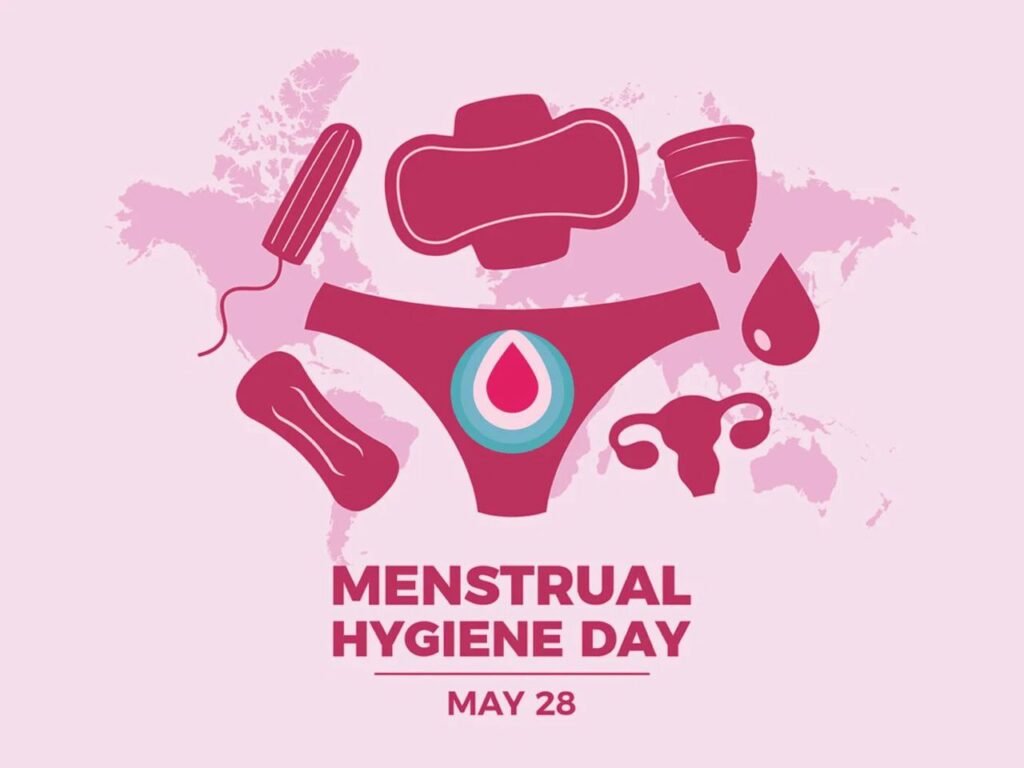
The call was made in a statement issued to commemorate the 2026 World Menstrual Hygiene Day, observed globally every May 28 to promote awareness about menstrual health and safe hygiene practices for women and girls.
In the statement signed by the Chairperson of NAWOJ FCT, Comrade Bassey Ita-Ikpang, the association noted that menstrual health remains a critical issue affecting the confidence, dignity, education, and overall well-being of millions of women and girls, particularly those in underserved communities.“
No girl should miss school, feel ashamed, or suffer discrimination simply because of a natural biological process,” the statement said.NAWOJ FCT observed that menstruation is still surrounded by silence, myths, and harmful cultural taboos in many communities, making it difficult for girls and women to openly seek support and information.
The association emphasized the need for governments, schools, healthcare institutions, development partners, and community leaders to prioritize menstrual health education and ensure sanitary products are affordable and accessible to all women and girls.“As women journalists and advocates, we remain committed to using the media as a tool to amplify conversations around menstrual hygiene, break harmful cultural taboos, and promote policies that protect the health and dignity of women and girls,” the statement added.
NAWOJ FCT further described menstrual hygiene as not only a health issue but also a matter of human rights, gender equality, and social inclusion.The association urged stakeholders to invest more in menstrual health initiatives and create safe, supportive environments where girls can thrive without fear, shame, or limitations.
Observers say the conversation around menstrual hygiene is becoming increasingly important in Nigeria, especially as inflation and poverty continue to make sanitary products unaffordable for many low-income families.