
Written by
Ishioma Appiah-Yeboah
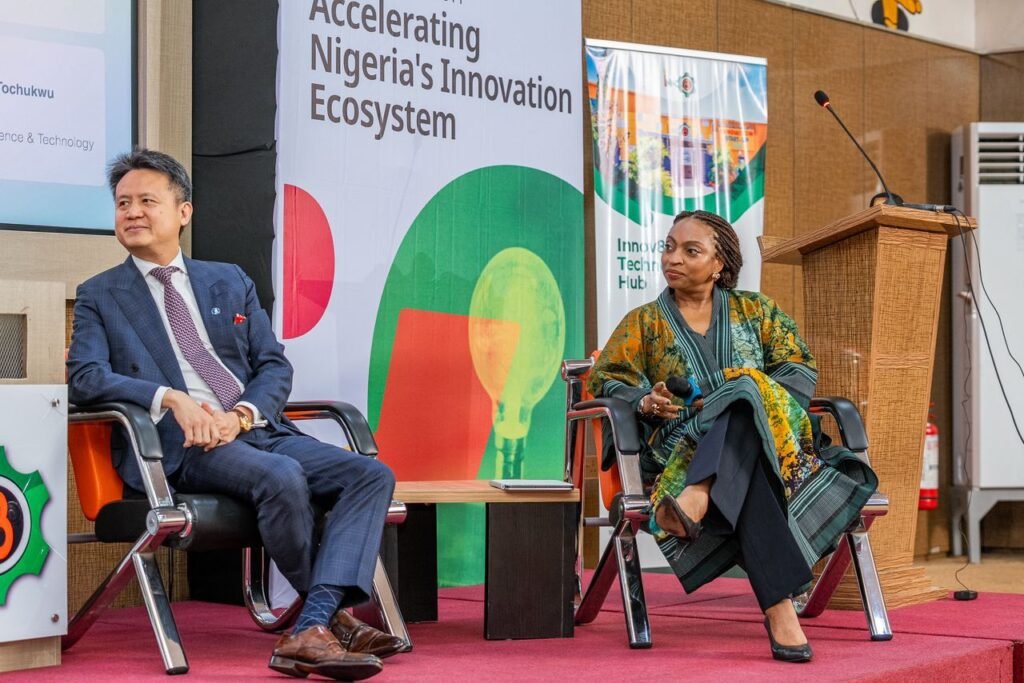
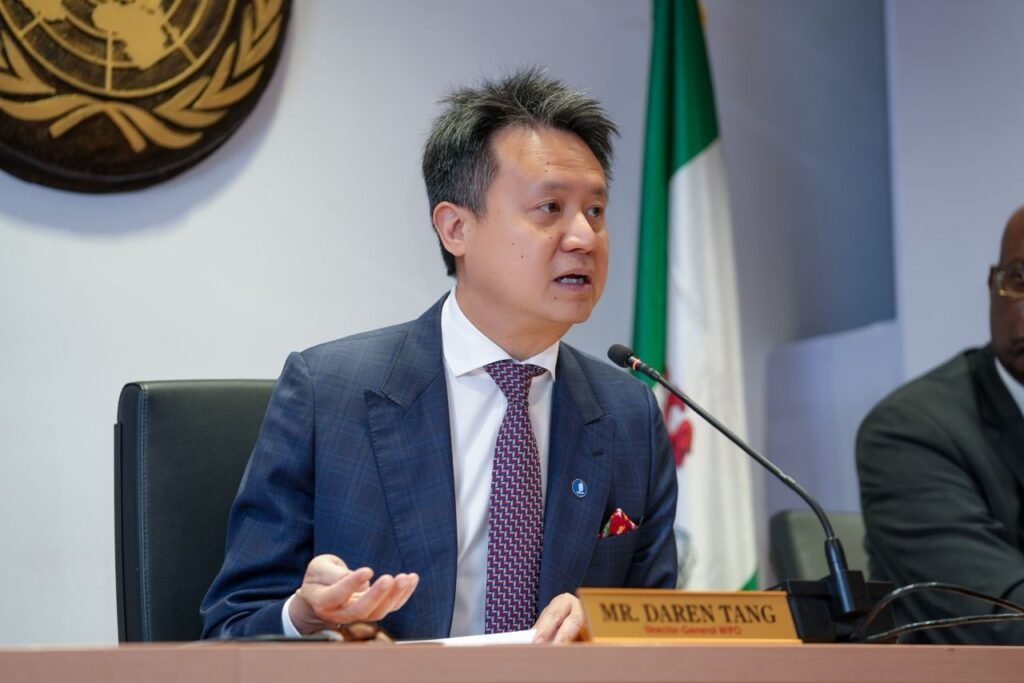
Nigeria’s next economic breakthrough may not come from oil wells or factories, but from ideas.That was the central message from Director General of the World Intellectual Property Organization (WIPO), Daren Tang, who says Nigeria is uniquely positioned to transform its creative and innovation sectors into major drivers of jobs, investment and economic growth.
Speaking during a visit to Abuja, Tang described Nigeria as one of the world’s most dynamic hubs for creativity and entrepreneurship, citing its globally successful music industry, booming film sector and rapidly growing startup ecosystem.
.”Nigeria is not just a cultural powerhouse; it is becoming a startup powerhouse,” he said.According to Tang, Nigeria hosts more than 3,000 technology startups the highest concentration in Africa and has produced five unicorn companies, more than any other country on the continent.
Why This Matters to Ordinary NigeriansFor many Nigerians struggling to access funding, build businesses or earn from their creative talents, intellectual property could become a game changer.
Intellectual property refers to creations of the mind such as inventions, software, music, films, brands and designs that can be legally protected and commercialised.
Tang explained that under Nigeria’s new National Intellectual Property Policy and Strategy, ideas and innovations could increasingly be treated as business assets.
This means a startup with a patented invention, a software developer with a unique product, or a musician with a valuable catalogue could potentially leverage those assets to attract investment, secure loans or expand into international markets.Beyond Protection, Towards ProsperityNigeria’s Minister of Industry, Trade and Investment, Dr. Jumoke Oduwole, said the government now views intellectual property as more than a legal issue.
“It is a strategic economic asset that supports innovation, industrialisation, competitiveness, investment attraction and economic diversification,” she said.
The Federal Government approved the National Intellectual Property Policy and Strategy in November 2025 and has since begun implementation.
The reforms include updating intellectual property laws, improving enforcement, increasing public awareness and digitising registration processes to make them easier and more transparent.
Opportunities for Young People and Small BusinessesWith more than 70 per cent of Nigerians under the age of 30, WIPO believes intellectual property could unlock new opportunities for young entrepreneurs and innovators.
The organisation says over 16,500 Nigerians have already received intellectual property training through its programmes, while initiatives targeting students, NYSC members, women innovators and startup founders are helping young people understand how to protect and profit from their ideas.
Small and medium-sized enterprises, which account for most businesses and jobs in Nigeria, are also expected to benefit.
To support them, WIPO and the Nigerian government are set to launch an Intellectual Property for Business Centre at SMEDAN to help entrepreneurs protect their brands, commercialise innovations and access new markets.
A New Economic FrontierAs Nigeria seeks to diversify its economy, officials believe intellectual property could become a powerful tool for wealth creation.
For creators, it could mean more royalties and stronger protection against piracy. For startups, it could unlock funding.
For researchers, it could help move inventions from laboratories to the marketplace.The message from both WIPO and the Federal Government is clear: in today’s economy, ideas are no longer just ideas they are assets capable of creating jobs, attracting investment and driving Nigeria’s future growth.