
Written by
Ishioma Appiah-Yeboah
As Nigeria continues to carry the world’s heaviest malaria burden, the Federal Capital Territory Administration (FCTA) has launched an aggressive door-to-door prevention campaign across the FCT.
For many Nigerian parents, the rainy season brings more than cool weather and green landscapes. It also signals the return of one of the country’s deadliest public health threats malaria.
Every year, millions of Nigerian children fall ill from the disease, overwhelming health facilities, draining family incomes, and claiming thousands of young lives. Despite decades of interventions, Nigeria remains the country with the highest malaria burden in the world.
Now, health authorities in the Federal Capital Territory are rolling out what they hope will become a game-changing intervention.
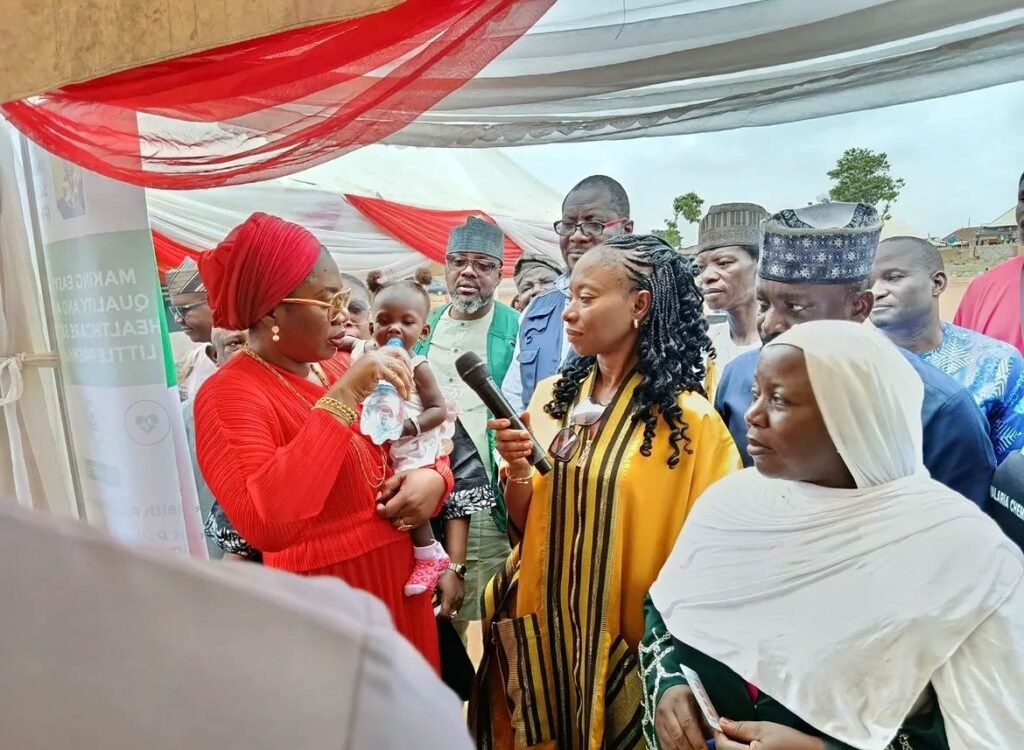
The 2026 Seasonal Malaria Chemoprevention (SMC) campaign, officially flagged off in Abuja, aims to protect more than one million children under the age of five from malaria during the peak transmission season.
The initiative, led by the FCT Administration through the Public Health Department and the State Malaria Elimination Programme, in partnership with Malaria Consortium and other stakeholders like Global Fund , will see trained health workers move from house to house across all six area councils, delivering free preventive malaria medicines directly to eligible children.
For health officials, the goal is ambitious but clear: stop malaria before it starts.
Nigeria’s Malaria Crisis: A Global Emergency
The urgency of the campaign is reflected in Nigeria’s troubling malaria statistics.
According to data presented at the launch by Malaria Consortium, Nigeria recorded approximately 68.47 million malaria cases in 2024, the highest in the world.
That figure represents 24.3 percent of all global malaria cases.
Even more concerning is the impact on children. Nigeria accounts for 38.6 percent of global malaria deaths among children under five, making malaria one of the leading causes of childhood mortality in the country.
Globally, malaria remains a major public health threat, putting an estimated 3.2 billion people at risk. Although the disease is both preventable and treatable, it still claims lives at an alarming rate, with experts estimating that one person dies from malaria every minute, most of them in sub-Saharan Africa.
Speaking at the flag-off ceremony, Mandate Secretary for Health Services and Environment Secretariat (HSES), Dr. Dolapo Fasawe, described the situation as unacceptable.
“Unfortunately, we are coming first in malaria deaths in Africa. That is not something that is palatable,” she said.
She, however, stressed that malaria is a battle Nigeria can win.
“We are not powerless. Tools exist, and when properly used, we can drastically reduce the burden of malaria.”
What Is Seasonal Malaria Chemoprevention (SMC)?
At the heart of the campaign is Seasonal Malaria Chemoprevention ,a preventive strategy designed to protect children during the months when malaria transmission is highest.
Unlike treatment drugs given after infection, SMC medicines are administered to healthy children to prevent malaria from developing, even if they are bitten by infected mosquitoes.
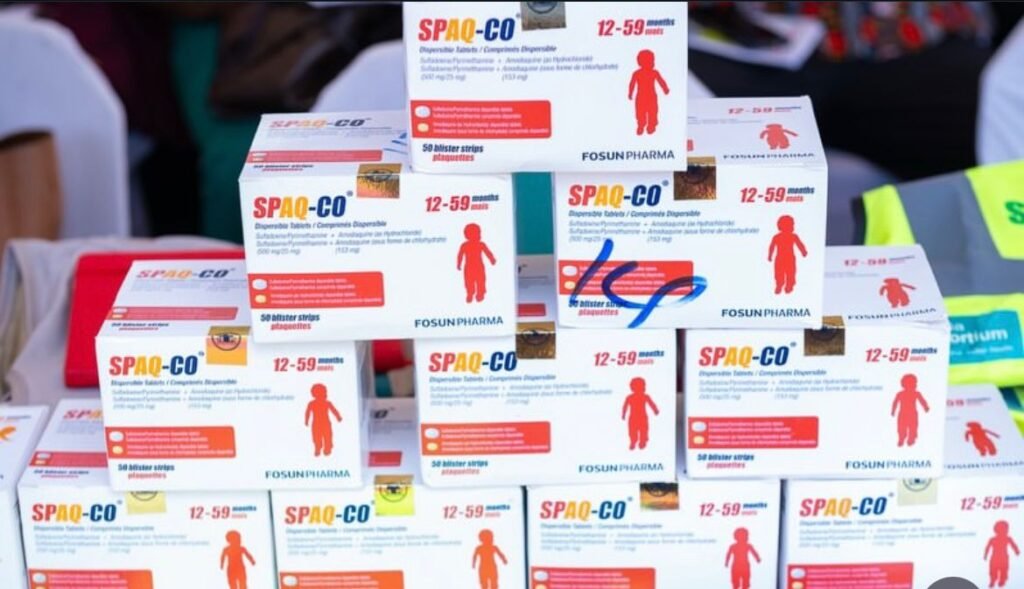
The treatment involves a combination of two antimalarial medicines: Sulfadoxine-Pyrimethamine and Amodiaquine.
Children aged between three months and 59 months (just under five years) are eligible.
Each child will receive the medication for three consecutive days every month over a five-month period, from June through October, covering the peak rainy season when mosquito populations surge.
When combined with insecticide-treated mosquito nets and proper environmental sanitation, the intervention offers a very high level of protection.
According to Dr. Fasawe, the medicines together with mosquito nets can provide near-complete protection when properly used.
“The drugs are not for treating malaria; they are for preventing malaria,” she stressed.
Why the Campaign Matters
The campaign comes at a time when the FCT is recording encouraging progress in malaria control.
Dr. Fasawe revealed that malaria prevalence in Abuja has fallen by 58 percent over the past few years.
Available data shows a decline from 18.8 percent in 2021 to 7.9 percent currently, a significant achievement attributed to improved access to prevention, diagnosis, treatment, and community awareness programmes.
The reduction places the FCT among the regions making measurable progress in the fight against malaria.
However, she warned that sustaining these gains will require continuous investment and strong community participation.
“We must not rest on our oars,” Dr. Fasawe said.
She added that the 2026 SMC campaign will run from June to October 2026.
Reaching More Than One Million Children
This year’s campaign is targeting 1,015,240 eligible children across the six area councils of the Federal Capital Territory.
Given Abuja’s estimated population of five to six million people, health authorities believe the intervention can reach nearly every child within the vulnerable age group.
To ensure maximum coverage, trained Community Drug Distributors will go door to door, delivering the medicines free of charge.
The strategy is designed to remove barriers that often prevent families from accessing preventive healthcare.
Dr. Fasawe noted that special attention is being given to gated estates and high-security residential areas, where access can sometimes be difficult for health workers.
Residents are therefore urged to fully cooperate and allow campaign teams access to their homes.
“If no one knocks on your door during the campaign period, report it,” she advised, stressing the importance of accountability and full coverage.
Beyond Medicines: The Return of Mosquito Nets
In addition to preventive medicines, the campaign will also include the distribution of insecticide-treated mosquito nets.
Dr. Jennifer Chukwumeije, Technical Specialist for the Philanthropic Funding Seasonal Malaria Chemoprevention Project at Malaria Consortium, described the initiative as highly significant, noting that large-scale mosquito net campaigns have been limited in recent years.
“This is the first time in a number of years that we are having a major net campaign, and it is highly commendable,” she said.
She highlighted insecticide-treated nets as one of the most cost-effective tools for preventing malaria, particularly among young children and pregnant women.
A Future Without Malaria?
Globally, the fight against malaria has recorded major milestones.
According to Malaria Consortium, more than 40 million deaths have been averted worldwide over the past two decades, while 47 countries have been certified malaria-free.
In addition, 37 countries recorded fewer than 1,000 malaria cases in 2024, showing that elimination is achievable.
These global successes offer hope that Nigeria can eventually join the list of malaria-free nations.