

Written by
Ishioma Appiah-Yeboah
The Federal Government says it has secured Nigeria’s fertiliser supply for the 2026 wet season and saved approximately ₦61.58 billion through an early procurement strategy that shielded the country from recent global price increases.
The development comes as several countries face rising fertiliser costs and supply disruptions linked to escalating tensions affecting major international shipping routes.
The disruptions have increased freight costs and pushed up prices of key fertiliser inputs, including Granular Ammonium Sulphate (GAS), Diammonium Phosphate (DAP) and Muriate of Potash (MOP).
According to procurement and shipment records released by PFI NPK Limited, the implementation vehicle of the Presidential Fertiliser Initiative (PFI) and a wholly owned entity of the Ministry of Finance Incorporated (MOFI), the Federal Government secured fertiliser raw materials months before the current market volatility.
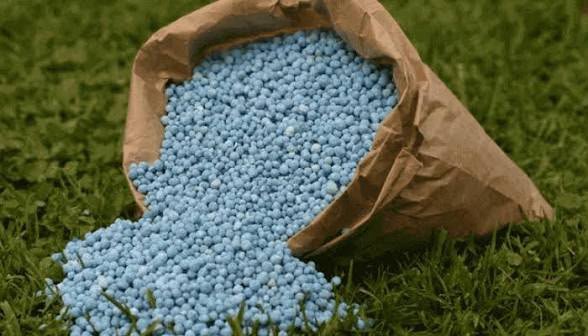
The records showed that nine vessels carrying a combined 407,304 metric tonnes of fertiliser raw materials had been contracted, bringing the total volume available for NPK fertiliser production to 534,219 metric tonnes when combined with opening inventory for the 2026 production cycle.
PFI NPK said all Letters of Credit associated with the imports had been fully established or settled, ensuring continuity of supply.
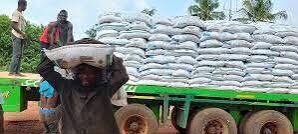
The company disclosed that as of mid-April 2026, more than 323,109 metric tonnes of raw materials, equivalent to about 6.5 million 50kg bags, had been released to registered blending plants across the country. It added that over 198,264 metric tonnes, representing approximately four million bags, had already been taken up by operators.
Speaking on the development, Director of PFI NPK Limited, Dr. Armstrong Ume Takang, said the government’s early procurement strategy was aimed at protecting Nigeria from external market shocks.
“We took a deliberate decision to move early, well ahead of market pressures, by securing supply, locking in pricing and putting the necessary financial instruments in place. That foresight by the Federal Government is what has ensured that Nigeria is not exposed to the disruptions currently affecting global fertiliser markets,” he said.
Data released by the company indicated that the procurement strategy generated savings of $43.99 million, equivalent to about ₦61.58 billion, when compared with prevailing international market prices.
According to the figures, Granular Ammonium Sulphate was purchased at $228 per metric tonne compared to the current market price of $343, while Diammonium Phosphate was secured at $775 per tonne against a market price of $950. Muriate of Potash was purchased at $400 per tonne compared to the current market price of $430 per tonne.
PFI NPK said the early purchases helped the government avoid the impact of recent increases in global fertiliser prices.
The company noted that fertiliser availability and affordability remain critical to agricultural productivity and food production, adding that the intervention would help stabilise supply and prices for farmers during the planting season.
PFI NPK operates a centralised procurement and distribution system under the Presidential Fertiliser Initiative. The company imports raw materials and supplies them to 94 blending plants registered with the Fertiliser Producers and Suppliers Association of Nigeria (FEPSAN) for local production.
According to the company, the initiative supplied 648,000 metric tonnes of raw materials in 2025. For 2026, the target has been increased to 1.52 million metric tonnes.
PFI NPK said its operations are monitored through a framework involving independent collateral management agents, FEPSAN, the National Agency for Food and Drug Administration and Control (NAFDAC), the Standards Organisation of Nigeria (SON) and the Office of the National Security Adviser (ONSA).
The company also disclosed plans to strengthen long-term supply security through government-to-government partnerships with international suppliers and the deployment of a digital enterprise system to improve visibility across procurement, inventory management and distribution.
Takang said the ultimate objective of the intervention was to ensure farmers have access to fertiliser at affordable prices when needed.
“What matters is that the farmer can access fertiliser when needed and at a price that does not undermine production. By stabilising supply and managing cost exposure at the procurement stage, the Federal Government is supporting that outcome at scale,” he said.
For Nigerian farmers, the government’s early fertiliser procurement means better access to fertiliser, more stable prices during the planting season, lower production costs and a reduced risk of supply shortages despite ongoing disruptions in global markets.