
Written by
Ishioma Appiah-Yeboah
Nigeria’s cancer treatment drive has received a major boost as the Federal Government unveils a new initiative aimed at solving one of the biggest challenges facing radiotherapy care, a shortage of skilled professionals to operate and manage treatment equipment.
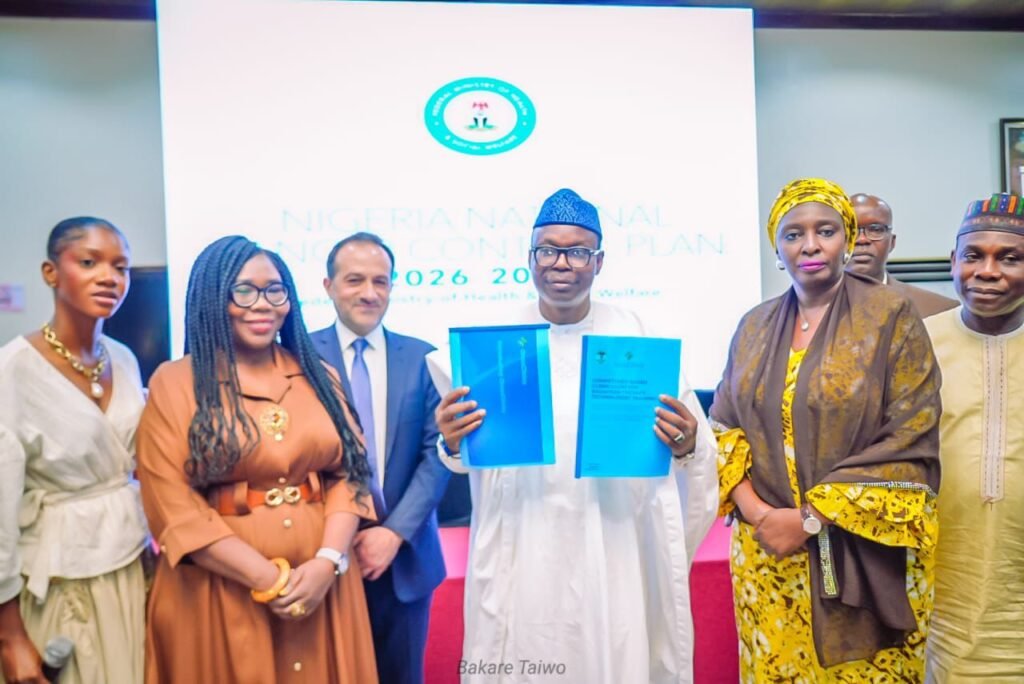
Project STRAWN, meaning Strengthening Radiation Therapy Workforce in Nigeria, was presented to the Federal Ministry of Health and Social Welfare by the University of Nigeria Teaching Hospital (UNTH), Enugu, and OncoClinics Africa, with support from Siemens Healthineers.
The initiative seeks to build a stronger pipeline of radiotherapy professionals as Nigeria expands investment in cancer treatment infrastructure.
Stakeholders at the unveiling said the country currently has fewer than 80 licensed radiotherapy professionals serving about 12 operational linear accelerators nationwide a gap they described as a major threat to the effective use of cancer treatment facilities.
They noted that while modern radiotherapy machines are being installed across the country, the shortage of trained specialists means many facilities still face challenges delivering timely and safe cancer care.
“Machines do not treat patients by themselves,” stakeholders said, stressing that technology must be matched with skilled personnel to achieve better cancer treatment outcomes.
Project STRAWN will provide training through two pathways. The first will focus on advanced training for certified therapy radiographers, while the second will provide a six-month supervised bridge programme for fresh radiography graduates.
The programme will combine academic instruction with clinical practice, competency assessments, skills tracking, patient communication training, and quality assurance standards.
Organisers clarified that STRAWN is not a replacement for professional certification or regulatory approval. Rather, it is designed to prepare participants for clinical environments and support their journey into Nigeria’s regulated radiotherapy workforce.
Principal Investigator of the project, Nwamaka Lasebikan, described STRAWN as a “governed bridge” that connects training with professional practice.
“Project STRAWN is not a shortcut around regulation; it is a governed bridge into the regulated workforce pipeline. Nigeria is investing in radiotherapy infrastructure, but machines do not treat patients by themselves,” she said.
She added that Nigeria needs a competent and supervised workforce capable of supporting safe cancer treatment while professionals progress toward full certification.
Chief Executive Officer of OncoClinics Africa, Zahi El Khatib, said the project addresses a critical weakness in Nigeria’s cancer-care system.
“At OncoClinics Africa, our experience has shown that infrastructure, technology, and clinical excellence must move together. Project STRAWN addresses one of the most urgent constraints in cancer care: the workforce gap,” he said.
The Chief Medical Director of UNTH Enugu, Obinna Onodugo, said the hospital’s partnership in the initiative reflects its commitment to strengthening oncology training, research, and service delivery in Nigeria.
The Minister of State for Health and Social Welfare, Iziaq Adekunle Salako, described the initiative as timely and aligned with Nigeria’s cancer-control goals.
Salako urged the project team to develop strategies that would improve retention of trained professionals and reduce the impact of brain drain in the health sector.
The engagement identified four key areas for the programme’s next phase: recognition of STRAWN as a supervised national demonstration pilot; development of a regulatory pathway led by the Radiographers Registration Board of Nigeria (RRBN); integration into the National Cancer Control Programme Technical Working Group’s workforce development plans; and expansion of training centres across the country.
The RRBN, led by Malachy Ejimofor, director of the board’s training institute, pledged support for the initiative, while emphasising the need for proper supervision, curriculum alignment, documentation, and clear progression pathways.
The Association of Clinical and Radiation Oncologists of Nigeria (ARCON) also backed efforts to expand the radiotherapy workforce, noting that specialists depend on skilled radiotherapy professionals to meet growing patient needs.
Organisers said the long-term goal is to expand Project STRAWN beyond UNTH and OncoClinics Africa to training hubs across Nigeria’s geopolitical zones as part of efforts to strengthen cancer care nationwide.