
Written by
Ishioma Appiah-Yeboah
As Nigeria continues to grapple with the devastating impact of drug abuse on families and communities, the National Drug Law Enforcement Agency (NDLEA) and the United Nations Office on Drugs and Crime (UNODC) have unveiled a weeklong programme of activities to mark the 2026 World Drug Day.
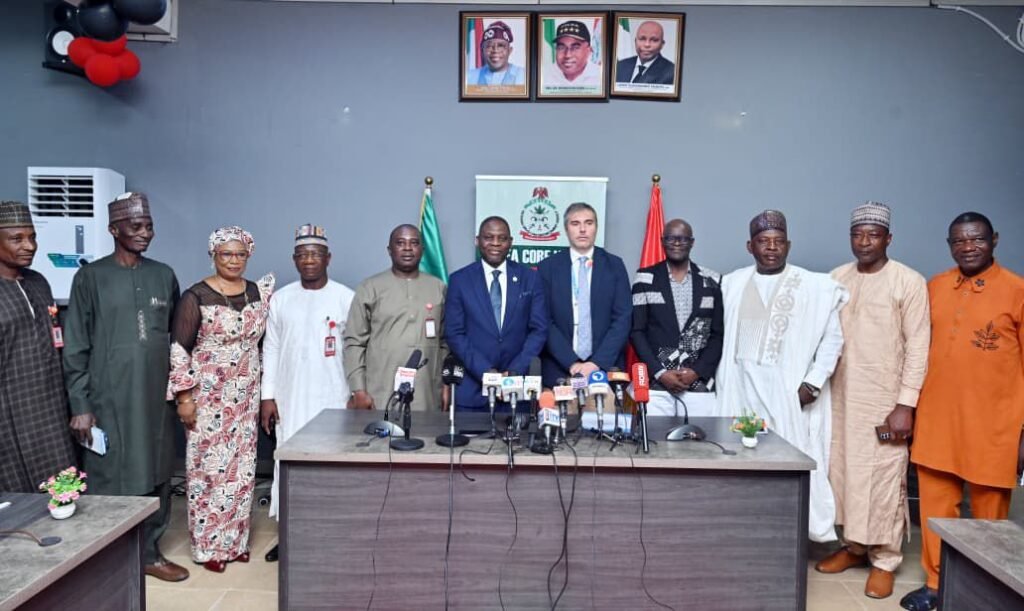
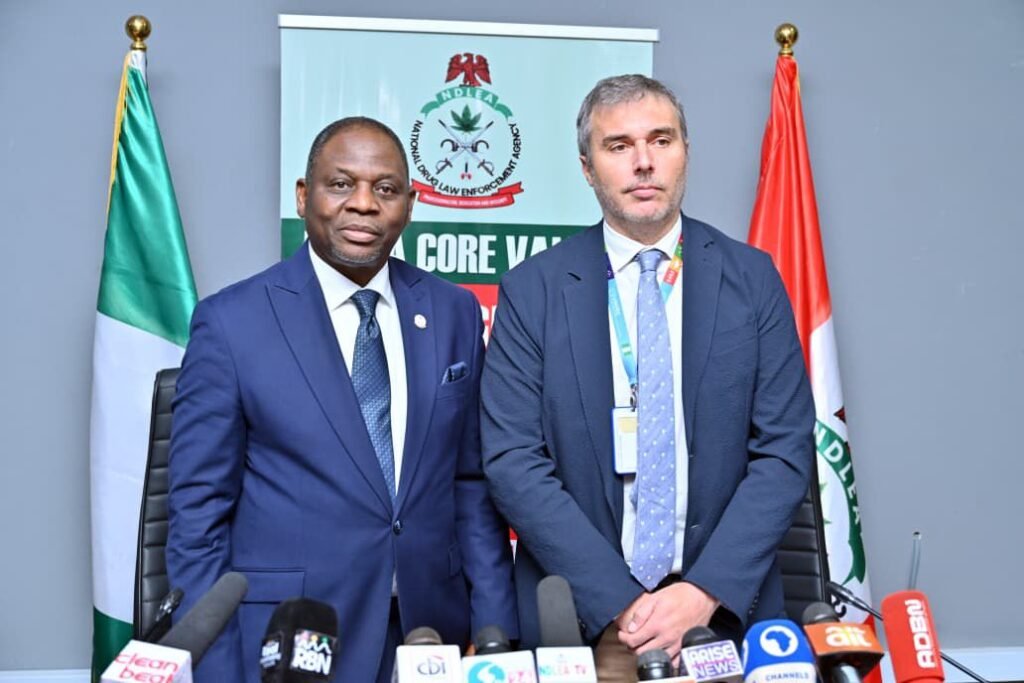
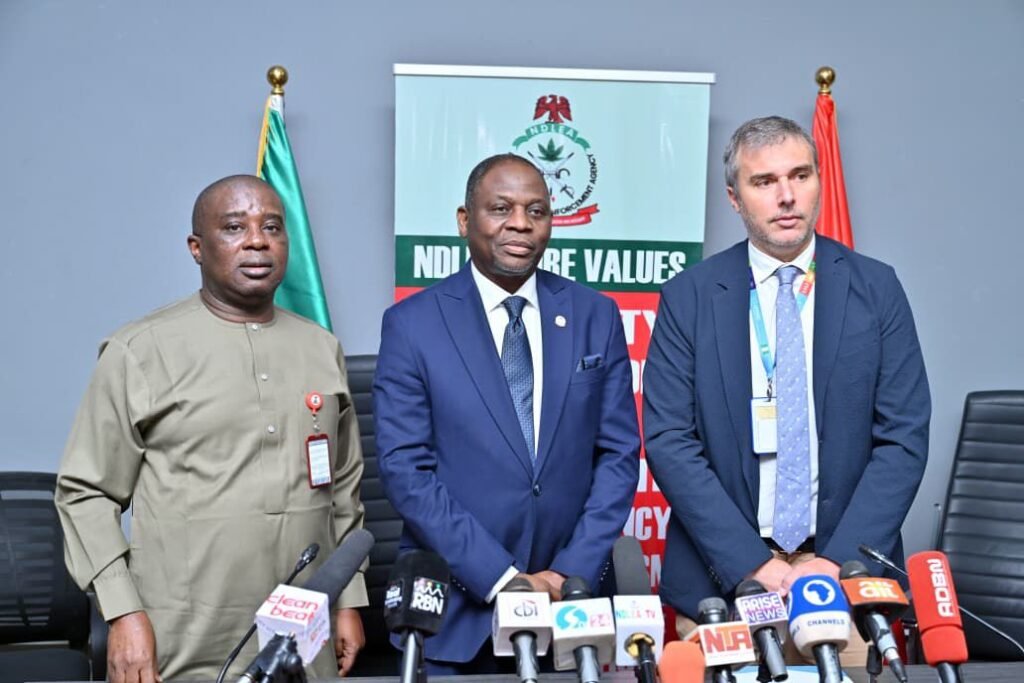
The activities, announced at a joint press briefing in Abuja on Friday, are aimed at raising awareness about the dangers of substance abuse, engaging young people, and strengthening collaboration among stakeholders in the fight against illicit drugs.
NDLEA Chairman and Chief Executive Officer, Brig. Gen. Mohamed Buba Marwa (Rtd), said the agency remains committed to dismantling drug trafficking networks and targeting the financial structures that sustain them.
“We are not just arresting traffickers; we are going after the assets and financial empires built on drug crimes. By doing so, we are effectively cutting off the lifeblood of these criminal networks,” Marwa said in a statement delivered on his behalf by the agency’s Secretary, Shadrach Haruna.
Protecting Nigeria’s Youth
Speaking on the theme of this year’s World Drug Day, “The World Drug Problem: Persisting Issues, New Challenges, Innovative Responses,” Marwa said the global drug landscape is changing rapidly, with synthetic drugs, online trafficking networks, and new methods of distribution creating fresh challenges for law enforcement agencies.
According to him, the NDLEA has responded by modernising its operations while expanding preventive programmes aimed at keeping young Nigerians away from drugs.
He highlighted the agency’s War Against Drug Abuse (WADA) initiative, describing it as a key platform for public education and community engagement.
“Old strategies cannot solve new problems,” Marwa said, noting that the agency is increasingly relying on technology, data, community intelligence, and innovative awareness campaigns to prevent drug abuse.
Weeklong Activities Begin
The commemoration began on June 19 with a press conference and a special Juma’at prayer at the National Mosque in Abuja.
Other activities lined up for the week include a Walk Against Drugs in collaboration with Baze University, Nile University, and the MTN Foundation, a national essay competition for students, an NGO engagement day, and targeted anti-drug campaigns in markets and motor parks across the Federal Capital Territory.
A special outreach programme will also focus on out-of-school youths, a group often considered vulnerable to drug abuse and recruitment by criminal networks.
The week will culminate on June 26 with a grand finale at the State House Conference Centre in Abuja, where government officials, diplomats, development partners, and other stakeholders are expected to discuss new strategies for tackling emerging drug threats.
Five Years of WADA
Marwa noted that the WADA campaign, launched in 2021, has evolved into what he described as a “whole-of-society approach” to addressing drug abuse.
He said the programme has helped bridge the gap between law enforcement agencies and communities by encouraging ordinary Nigerians to play active roles in prevention and awareness efforts.
The NDLEA boss also highlighted what he described as significant operational gains against drug cartels, including arrests, prosecutions, convictions, and the forfeiture of assets linked to drug crimes under the Proceeds of Crime Act.
UNODC Calls for Shared Responsibility
For the UNODC, the fight against drugs requires more than enforcement alone.
Representing the UNODC Country Representative, Cheikh Ousmane Toure, Deputy Country Representative Danielo Campisi said the global drug problem continues to evolve and demands collective action.
“Nigeria stands at a critical point where it must address long-standing challenges while adapting to new realities,” he said.
Campisi stressed that no single institution can tackle the drug problem alone, emphasizing the need for stronger partnerships, innovation, evidence-based interventions, and community-focused solutions.
He reaffirmed UNODC’s commitment to supporting Nigeria’s efforts through international cooperation and programmes designed to protect vulnerable populations and strengthen public health and safety.
As the country marks World Drug Day, stakeholders say the focus remains on protecting young people, supporting affected families, and building safer communities free from the devastating effects of drug abuse and trafficking.