
Gombe State is seeking to increase its electricity supply from about 30 megawatts (MW) to as much as 200MW, as the state intensifies efforts to power its growing industrial and commercial activities.
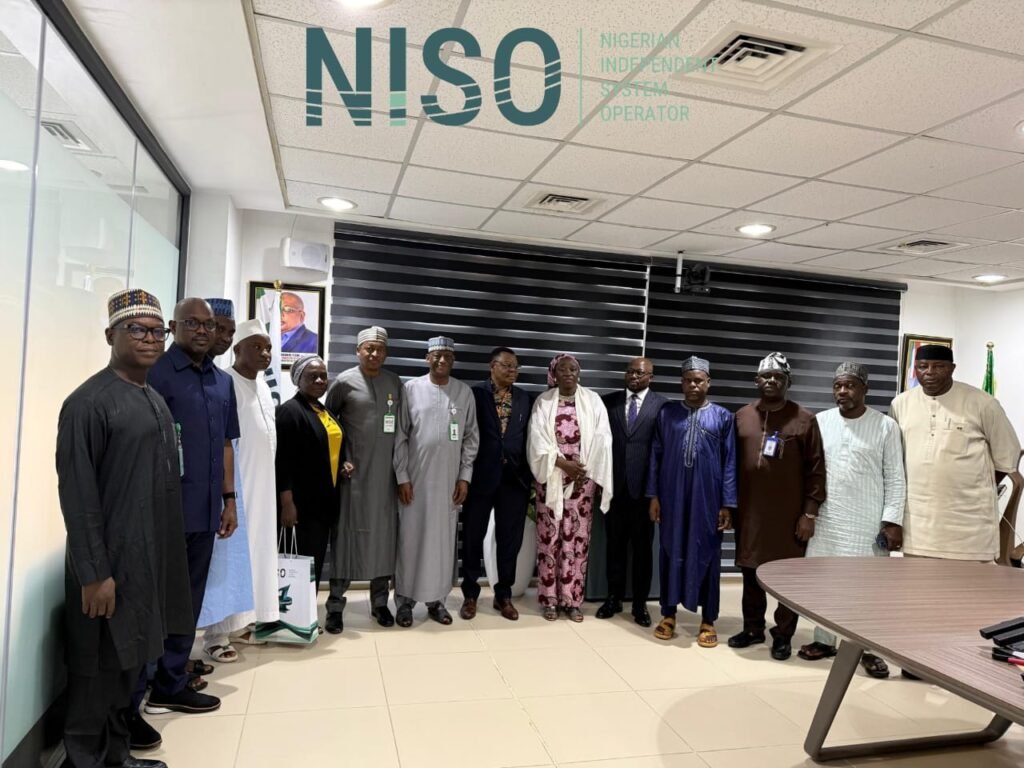
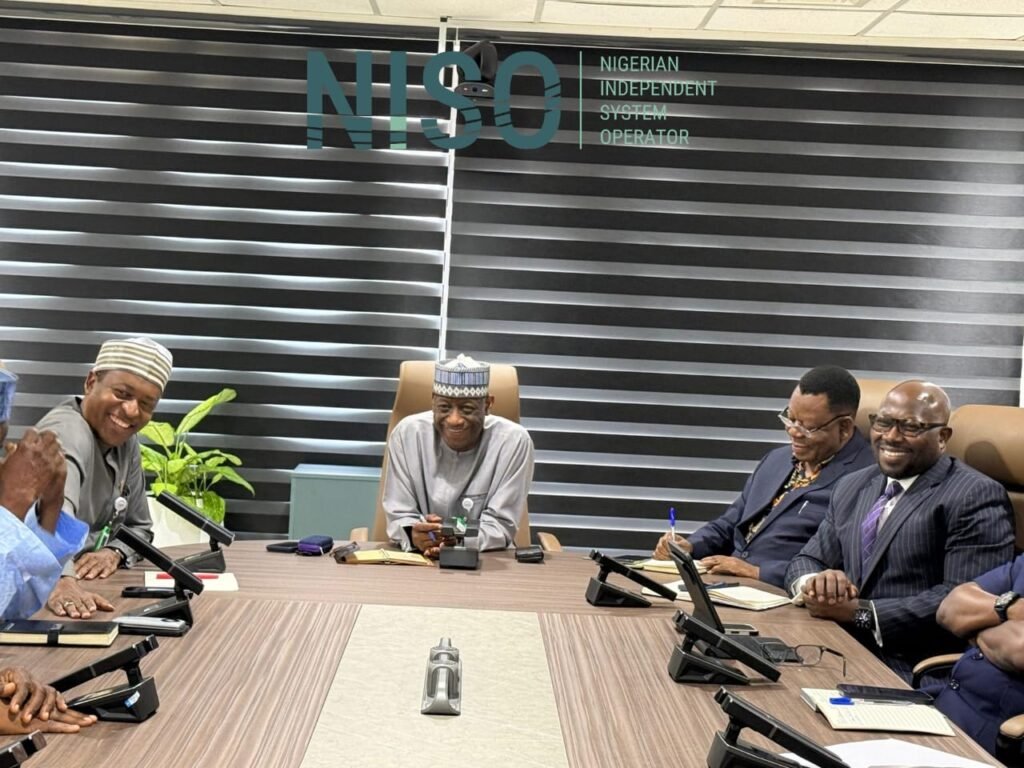
The Chairman of the Gombe State Electricity Regulatory Commission (GOSERC), Dr Usman Abba Arabi, disclosed this on Monday when the commission’s management visited the Nigerian Independent System Operator (NISO) headquarters in Abuja to explore ways of strengthening electricity supply in the state.
Arabi said the state’s current allocation falls significantly below its energy requirements, leaving a gap of about 170MW between what it currently receives and what it could potentially utilise.
“Gombe State is currently receiving 30MW, whereas, in essence, its energy requirements and required capacity would allow it to receive up to 200MW,” he said.
He explained that the state government had directed GOSERC to find ways of improving electricity supply, prompting the commission to seek closer collaboration with NISO.
The push comes as Gombe expands its industrial infrastructure, including the development of an industrial park, while about 30 mini-grid projects are also being developed across the state.
Arabi said collaboration with NISO would be critical to ensuring that the emerging mini-grids and other electricity projects are properly integrated into the wider power market.
Receiving the delegation, NISO Managing Director and Chief Executive Officer, Engr Abdu Bello Mohammed, FNSE, said the system operator was ready to support Gombe in developing a viable electricity market capable of attracting more power to the state.
Mohammed described Gombe as a commercial hub in the North-East and said the state’s growing industrial activities made increased electricity supply imperative.
He specifically pointed to the state’s industrial park, saying its development would require a more reliable and substantial electricity supply.
“What I can assure you is that NISO will support you 100 per cent in exploring how to improve electricity supply in the state. We will collaborate with you to develop a sound business model that will enable the state to access more power,” he said.
Mohammed also urged GOSERC to work closely with Sabana, the electricity distribution company licensed to operate in the state, rather than treating the utility as a rival.
He said stronger cooperation between the regulator and the distribution company would improve revenue generation and create a more sustainable electricity market.
The NISO chief also identified Gombe’s natural resources, particularly its coal reserves, as potential assets for electricity generation, saying the state was strategically positioned to play a bigger role in Nigeria’s power sector.
NISO Executive Director, Market Operations, Engr Dr Edmond Eje, advised GOSERC to ensure that all licensed distribution companies operating in the state register with NISO as market participants because of their interface with the national grid.
NISO Executive Director, Finance and Corporate Services, Babajide Ibironke, also assured the state regulator of the system operator’s continued cooperation.
The engagement comes as Nigeria’s electricity market continues to evolve with states assuming greater roles in electricity regulation under the Electricity Act 2023.
For Gombe, the immediate challenge is turning its ambition of accessing up to 200MW from a current supply of just 30MW into a workable reality and ensuring that the additional power reaches homes, businesses and the industries expected to drive the state’s economic growth.