
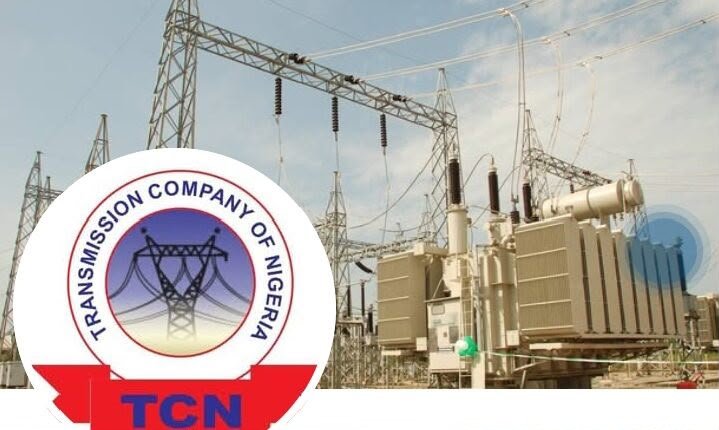
Residents of Abuja facing reduced electricity supply may have to look beyond the transmission network for answers, as the Transmission Company of Nigeria (TCN) says the latest power shortage in the Federal Capital Territory is being driven by low electricity generation, not a fault on its transmission lines.
TCN made the clarification after the Abuja Electricity Distribution Company (AEDC) reported a steep decline in the amount of electricity allocated to it, from about six hundred and forty-one megawatts to three hundred and fourteen megawatts.
The drop in allocation has forced AEDC to carry out load shedding across several feeders, leaving consumers with reduced power supply.
But TCN has rejected claims that the situation was triggered by the tripping of its three-hundred-and-thirty-kilovolt transmission lines from the Shiroro Transmission Substation.
In a statement, the company said all 330-kilovolt transmission lines within the Abuja Region are currently in circuit, insisting that none of the lines supplying the Abuja axis has tripped.
TCN said this means the reduced allocation to AEDC cannot be blamed on a failure of its transmission network.
Instead, the company attributed the reduction to inadequate electricity generation available on the national grid.
The development highlights a persistent challenge in Nigeria’s electricity supply chain: even when transmission infrastructure is available, consumers can still experience shortages when generation falls below what distribution companies require.
TCN has consequently urged stakeholders to provide accurate information when explaining disruptions to electricity supply, warning against claims that could mislead consumers.
The company reaffirmed its commitment to transmitting available bulk electricity efficiently and maintaining the stability and reliability of the national grid.