
Written by
Ishioma Appiah-Yeboah
Nigeria has received renewed international support in its battle against drug abuse and illicit trafficking, as the European Union, the United Nations Office on Drugs and Crime, and ECOWAS pledged stronger collaboration with the country over the next five years.
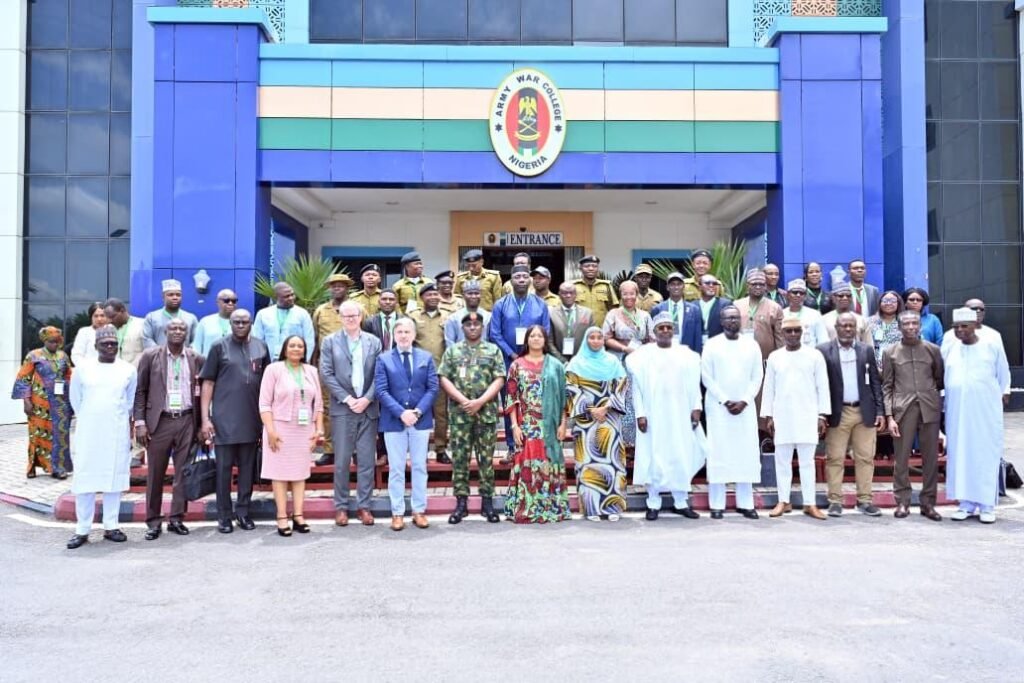
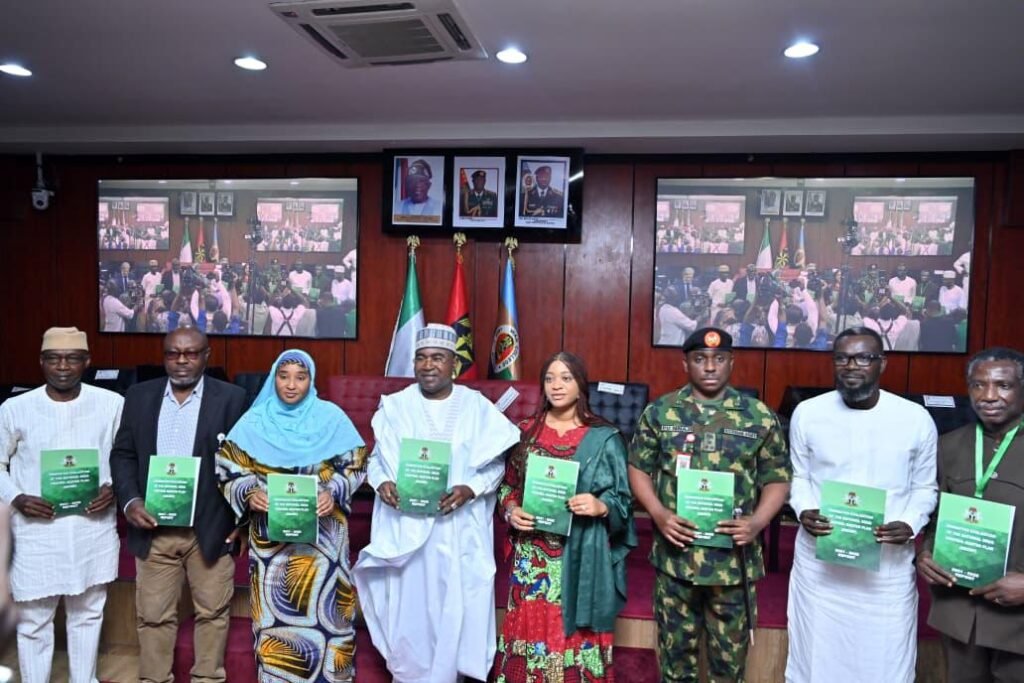
The assurances came during the opening of a two-day National Drug Control Master Plan Consultative Forum organized by the National Drug Law Enforcement Agency, NDLEA, in Abuja.
Speaking at the event, Deputy Head of the European Union Delegation to Nigeria and ECOWAS, Mr. Zissimos Vergos, said the EU remains committed to partnering with Nigeria to confront what he described as a transnational threat.
Vergos noted that drug trafficking affects both Nigeria and Europe, adding that the EU’s updated drug strategy places strong emphasis on international cooperation. He also commended the leadership and personnel of the NDLEA for their dedication and achievements.
Also speaking, the Country Representative of the United Nations Office on Drugs and Crime, Mr. Chiekh Ousmane Touré, warned that the global drug landscape is rapidly changing due to the rise of synthetic drugs, sophisticated trafficking networks, and the growing use of technology by criminal groups.
Touré said Nigeria stands at the center of these emerging threats and stressed the need for a comprehensive, data-driven, and forward-looking master plan.
He assured that the UNODC would continue supporting Nigeria through technical assistance, law enforcement training, drug prevention programmes, treatment initiatives, and international cooperation.
In his address, Chairman and Chief Executive Officer of the NDLEA, Brigadier General Mohamed Buba Marwa (Rtd), warned against complacency despite successes recorded in recent years.
Marwa disclosed that projections by the UNODC suggest drug use in Africa could rise by 40% by the year 2030. He added that West Africa remains a major transit route for cocaine trafficking between Latin America and Europe.
According to him, Nigeria is also facing increasing threats from synthetic substances, prescription drug abuse, poly-drug use, and digital drug trafficking carried out through encrypted online platforms and the dark web.
Marwa described the consultative forum as Nigeria’s “battle room” for the next five years, saying the new 2026 to 2030 National Drug Control Master Plan would focus on alternative development, sustainable livelihoods, and financial intelligence aimed at disrupting illicit drug networks.
He urged stakeholders to think boldly and propose innovative solutions that would help secure a safer and healthier future for Nigerians.
On his part, ECOWAS Commissioner for Human Development and Social Affairs, Dr. Daniel Amankwaah, described Nigeria’s drug control plan as critical to the regional body, noting that some ECOWAS member states draw policy direction from Nigeria’s framework.
Amankwaah pledged continued support from ECOWAS during both the development and implementation phases of the new plan.
Meanwhile, the Minister of State for Education, Professor Suwaiba Said Ahmad, praised the NDLEA for its professionalism and sustained efforts in advocacy, enforcement, rehabilitation, and stakeholder engagement.
Professor Ahmad called for a multi-sectoral approach involving education, healthcare, law enforcement, communities, and social support systems to effectively address the root causes and consequences of substance abuse in Nigeria.
Other dignitaries at the forum included representatives of the Senate Committee on Drugs and Narcotics and the National Orientation Agency.
The consultative forum is expected to produce a comprehensive roadmap that will guide Nigeria’s fight against drug abuse and trafficking from 2026 to 2030.