
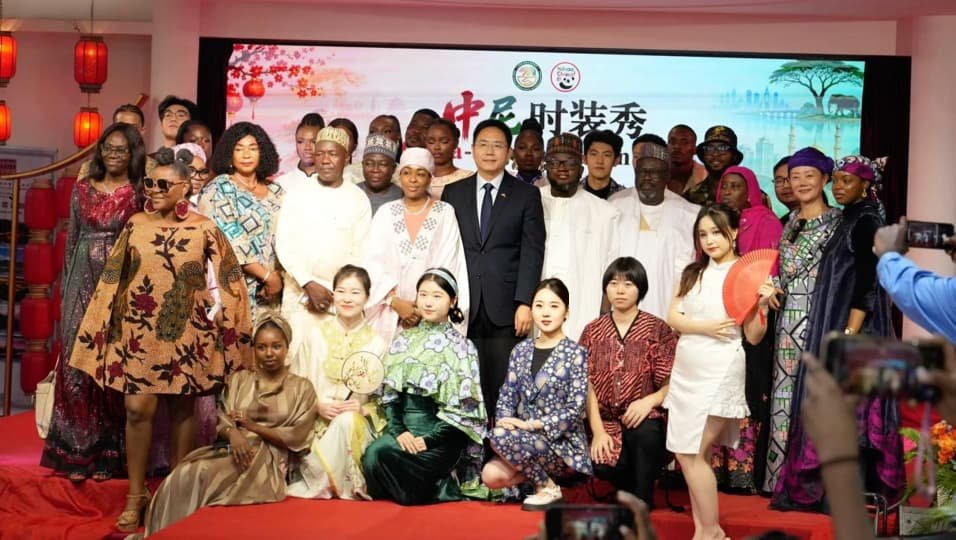
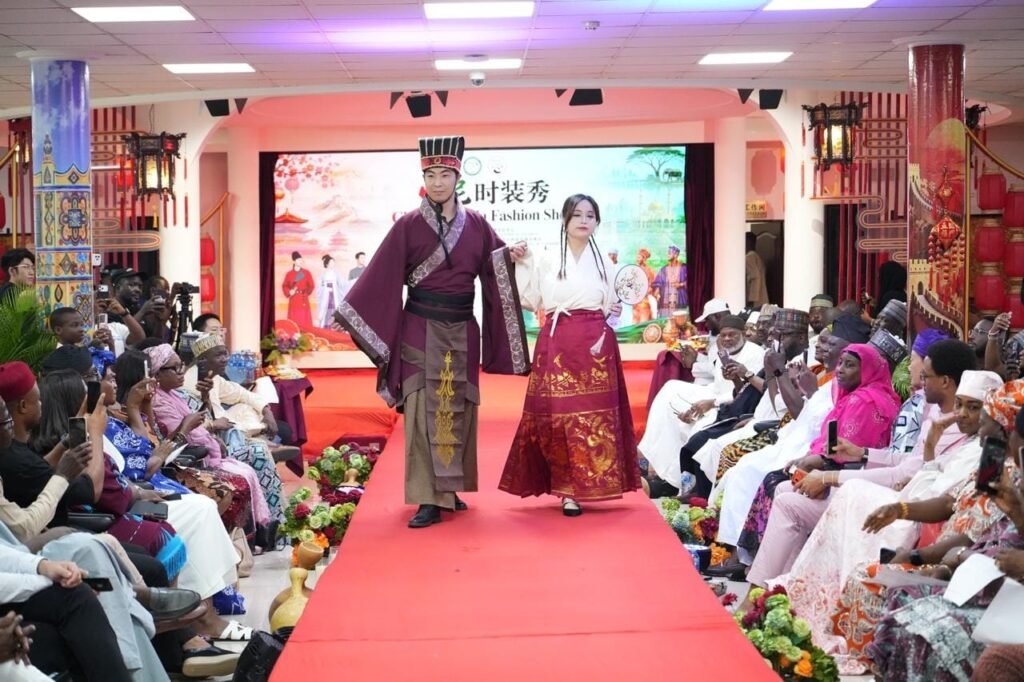
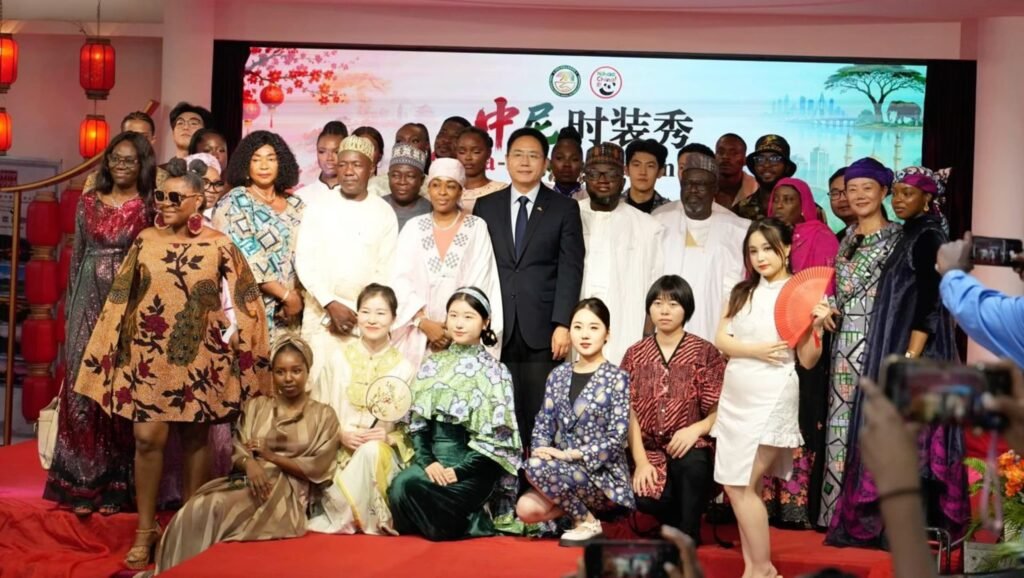
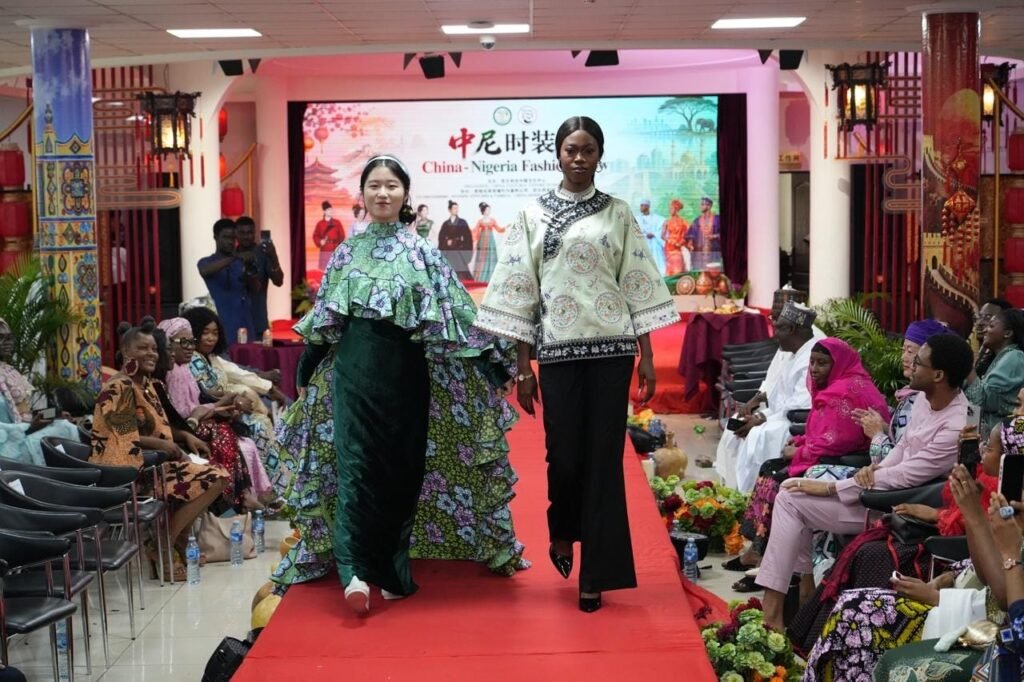
Nigeria’s push to turn fashion from a cultural expression into a stronger contributor to jobs, investment and economic growth took centre stage in Abuja as Nigerian and Chinese designers showcased their creativity at the China-Nigeria Fashion Show.
The event, which also marked 55 years of diplomatic relations between Nigeria and China, brought together government officials, diplomats, designers, models and creative industry stakeholders to explore how fashion can strengthen cultural ties while opening new opportunities for Nigeria’s creative economy.
Representing the Minister of Art, Culture, Tourism and the Creative Economy, Hannatu Musa Musawa, the Ministry’s Director, Mohammed Tukura, said the Federal Government sees fashion as more than clothing, describing it as a vehicle for cultural exchange, economic growth and international collaboration.
Tukura said Nigeria’s fashion industry, powered by designers, artisans, young creatives and entrepreneurs, has the potential to connect the country’s rich cultural heritage with international markets.
He said the Federal Ministry remains committed to creating platforms through which Nigerian creatives can connect with international partners and audiences, adding that exchanges such as the China-Nigeria fashion show could encourage knowledge sharing, innovation and economic collaboration.
The position reflects the Federal Government’s broader creative-economy agenda, which places fashion and textiles among the sectors with the potential to drive economic growth, job creation and investment.
The government has also been pursuing measures aimed at strengthening Nigeria’s textile and garment value chain, creating opportunities not only for designers, but also for farmers, textile manufacturers, artisans, tailors, retailers and exporters.
For China, the runway provided an opportunity to demonstrate how traditional fashion can be preserved while being adapted to contemporary tastes.
The Director of the China Cultural Centre in Nigeria, Yang Jianxing, said clothing was a universal cultural language capable of connecting people beyond geographical and linguistic boundaries.
He highlighted Chinese traditions including Hanfu, Tang-style clothing, Qipao and Mamianqun, alongside Nigerian styles such as Aso-Oke, Agbada, Buba, Iro and Gele.
Yang said bringing the two traditions together creates room for designers from both countries to exchange ideas and explore new possibilities within their respective fashion and creative industries.
He said the partnership between Nigeria and China should increasingly create practical opportunities for creatives on both sides, particularly through exchanges in design, textile production, skills development and market access.
According to him, the interaction of traditional Nigerian and Chinese fashion could inspire new designs while encouraging designers to preserve their cultural identities as they embrace innovation and modern trends.
Yang added that the 55th anniversary of Nigeria-China diplomatic relations provides an important opportunity to deepen people-to-people connections beyond government-to-government relations.
He said sustained collaboration in fashion and other creative sectors could help young talents gain international exposure, build professional networks and contribute to the growth of the creative economies of both countries.
The Federal Government has been exploring ways to strengthen Nigeria’s textile and garment value chain, including efforts around cotton production, processing and manufacturing, in recognition of the sector’s potential to support local industries and employment.
Speaking as special guest of honour, Director of Culture and Traditional Affairs of the City Boy Movement, Binta Muazu, described Nigerian textiles, colours, craftsmanship and traditions as some of the country’s most valuable cultural assets.
She also called for more platforms that expose Nigerian creatives to international markets, create jobs and strengthen cultural relationships between countries.
As Nigeria and China deepen their cultural relationship, the challenge is to ensure that such exchanges produce practical outcomes more partnerships, stronger local production, better access to markets and more opportunities for the young Nigerians driving the country’s fashion industry.