
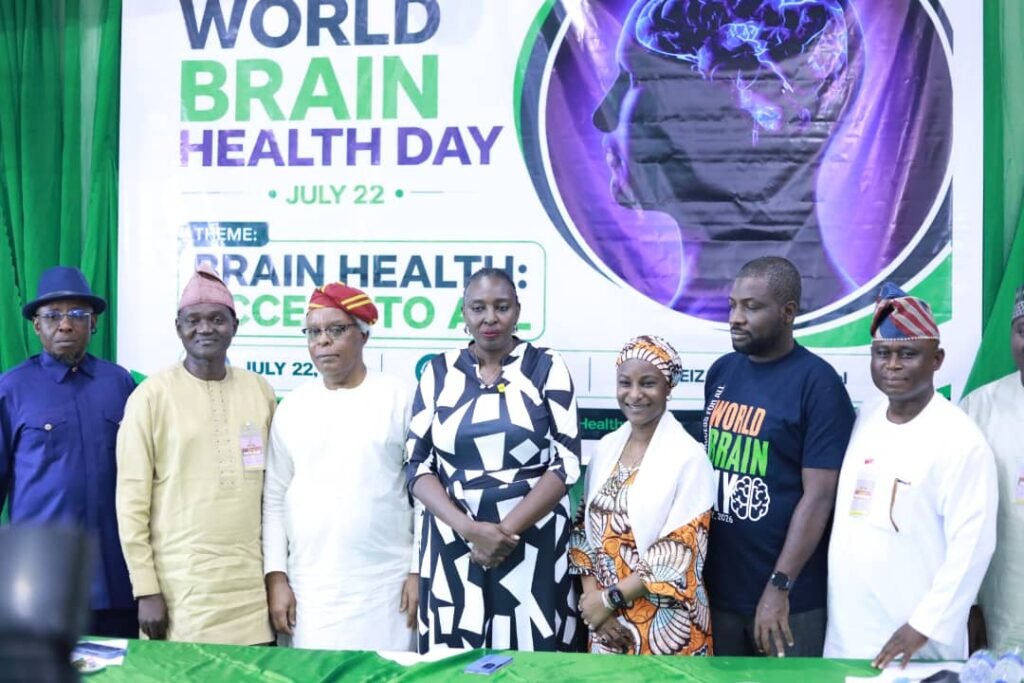
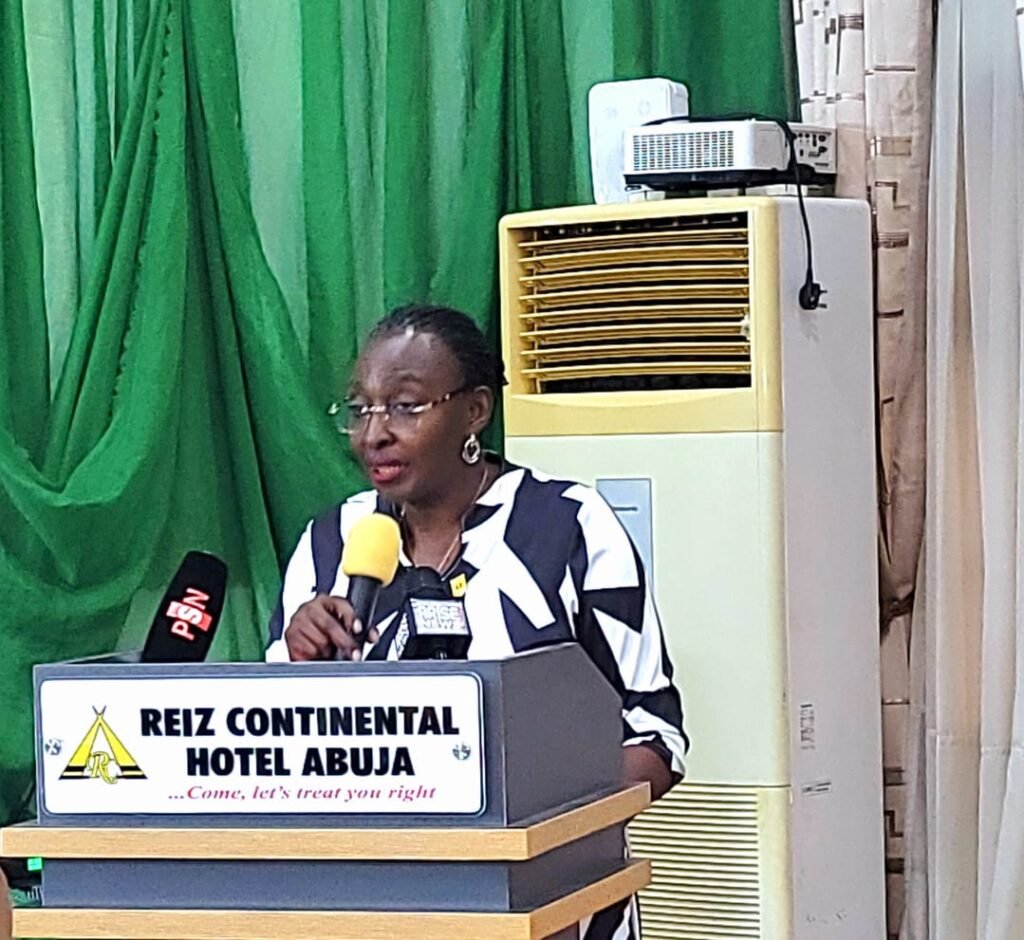
The Federal Government has unveiled plans to establish a Brain Health Desk under the National Mental Health Programme and develop Nigeria’s first National Brain Health Agenda, marking a major step towards improving the prevention, diagnosis and treatment of neurological disorders across the country.
The announcement was made by the Permanent Secretary of the Federal Ministry of Health and Social Welfare, Ms. Daju Kachollom, during the commemoration of World Brain Day 2026 in Abuja, themed “Brain Health: Access for All.”
Kachollom described brain health as a critical component of Universal Health Coverage, stressing that every Nigerian, regardless of age, gender, income or location, should have access to quality neurological care.
She noted that neurological disorders now affect more than 3.4 billion people worldwide, making them the leading cause of disability globally. In Nigeria, she said, diseases such as stroke, epilepsy, dementia, Parkinson’s disease, traumatic brain injuries and neurodevelopmental disorders continue to place a growing burden on individuals and the healthcare system.
According to her, the proposed Brain Health Desk will provide national leadership on brain health by coordinating policy development, advocacy, research, surveillance, capacity building and partnerships with teaching hospitals, professional associations, academia, development partners, civil society organisations and the private sector.
She also disclosed that the Ministry will begin developing Nigeria’s first National Brain Health Agenda, which will serve as a roadmap for expanding access to neurological services, strengthening the health workforce, promoting research and innovation, and improving governance in brain health. The framework will align with the World Health Organization’s Intersectoral Global Action Plan on Epilepsy and Other Neurological Disorders 2022–2031, while addressing Nigeria’s unique healthcare needs.
The Permanent Secretary further announced that World Brain Day will now be observed annually as part of the Ministry’s national health commemorations to sustain public awareness and advocacy on brain health.
Calling for a collective national response, Kachollom urged healthcare professionals, academic institutions, development partners, civil society groups, traditional and religious leaders, the media and the private sector to work together to reduce stigma, encourage early diagnosis and improve access to rehabilitation services, essential medicines and assistive technologies for people living with neurological conditions.
She emphasised that investing in brain health goes beyond improving healthcare outcomes, describing it as an economic necessity that enhances productivity, innovation and sustainable national development.
Also speaking at the event, the Director of Public Health, Dr. Charles Nzelu, said neurological disorders have become one of the world’s biggest public health challenges, with stroke remaining a leading cause of illness, death and long-term disability in Nigeria.
The National Coordinator of the National Mental Health Programme, Dr. Tunde Masseyferguson Ojo, commended the Ministry’s leadership for expanding the country’s mental health agenda to include brain health.
In her goodwill message, the Founder of Brain and Spine Foundation Africa, Engineer Chika Okwuolisa, described the event as historic, noting that it was the first time Nigeria had officially commemorated World Brain Day at the national level. She called for sustained investment, stronger policies and expanded partnerships to improve access to quality neurological care across the country.