
Written by
Ishioma Apiah-Yeboah
More than 5.3 million kilogrammes of illicit drugs worth over ₦1.5 trillion have been intercepted across Nigeria in just 18 months. During the same period, authorities arrested 29,262 suspected drug traffickers, secured 5,225 convictions, and provided treatment and rehabilitation to 13,508 Nigerians battling drug dependence.
These figures underscore the scale of a crisis that extends beyond law enforcement, affecting public health, national security, economic productivity and the future of millions of young Nigerians.
Against this backdrop, the Federal Government has reaffirmed its commitment to dismantling drug trafficking networks and expanding access to treatment and rehabilitation as stakeholders gathered in Abuja for the National Drug Use Summit.
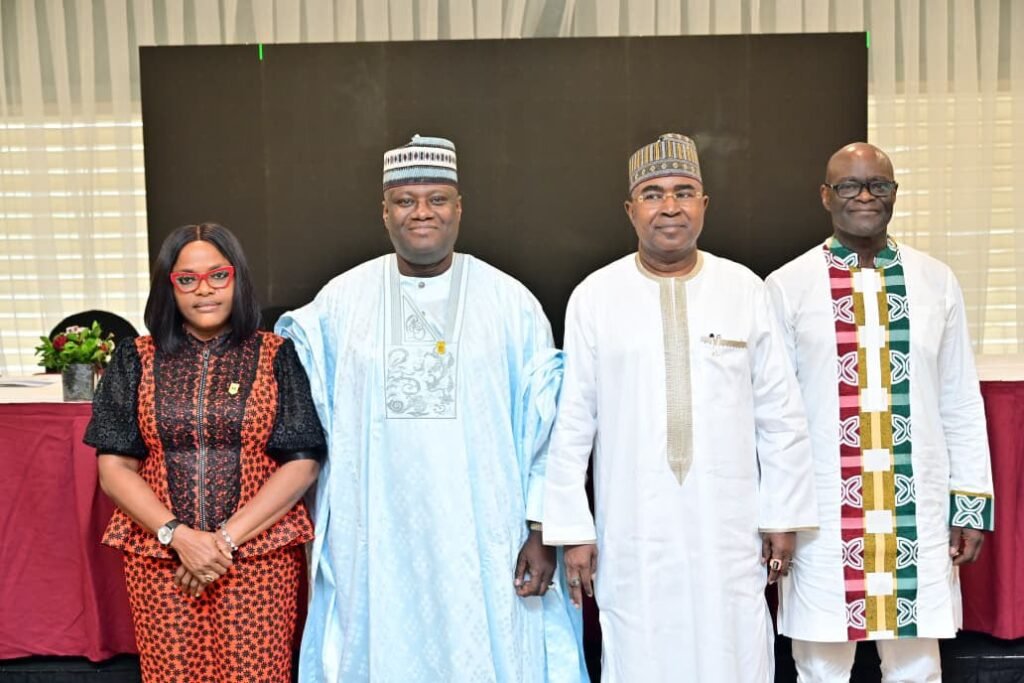
The National Drug Use Summit was jointly organised by the National Drug Law Enforcement Agency (NDLEA), the Federal Ministry of Health and Social Welfare, and the United Nations Office on Drugs and Crime (UNODC).
Speaking at the opening of the summit, themed “Addressing Illicit Drug Use and Trafficking: A Call to National Action,” the Secretary to the Government of the Federation (SGF), Senator George Akume, said the Tinubu administration remains committed to preventing illicit drug use, disrupting organised trafficking networks and promoting the wellbeing of Nigerians.
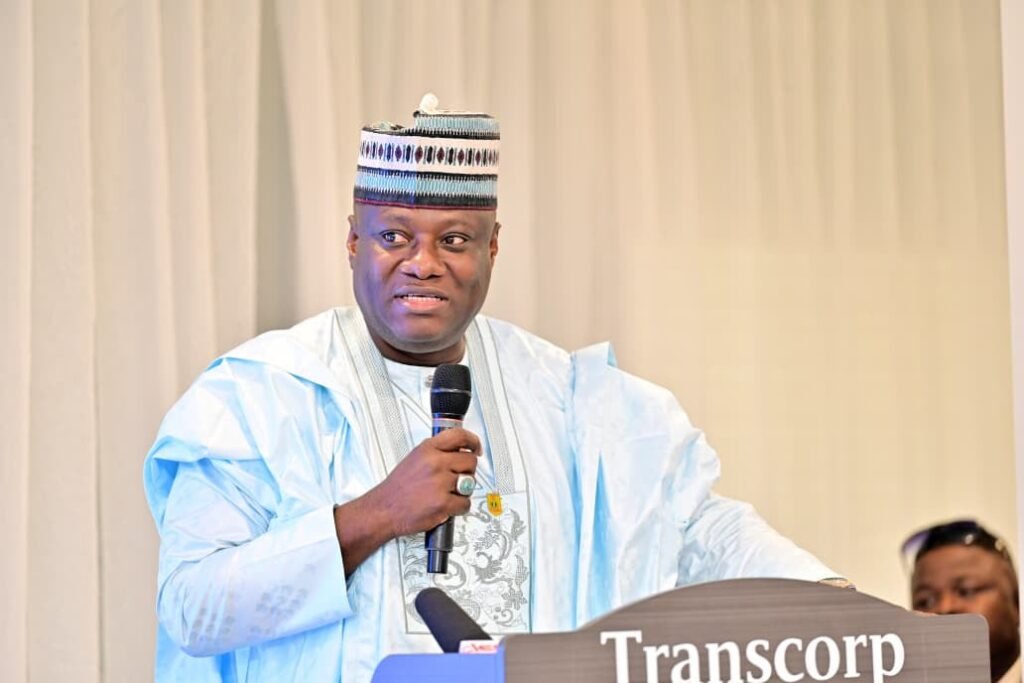
Represented by the Permanent Secretary, General Services Office, Dr. Adamu Ibrahim Kana, the SGF said no nation can achieve sustainable development when its youth are threatened by drug abuse and addiction.
He warned that criminal networks involved in illicit drug trafficking continue to undermine national institutions and exploit vulnerable communities, stressing that tackling substance abuse is critical to achieving lasting peace and economic prosperity.
According to him, the summit provides an opportunity to strengthen partnerships and develop a coordinated response to one of the country’s most pressing social and security challenges.
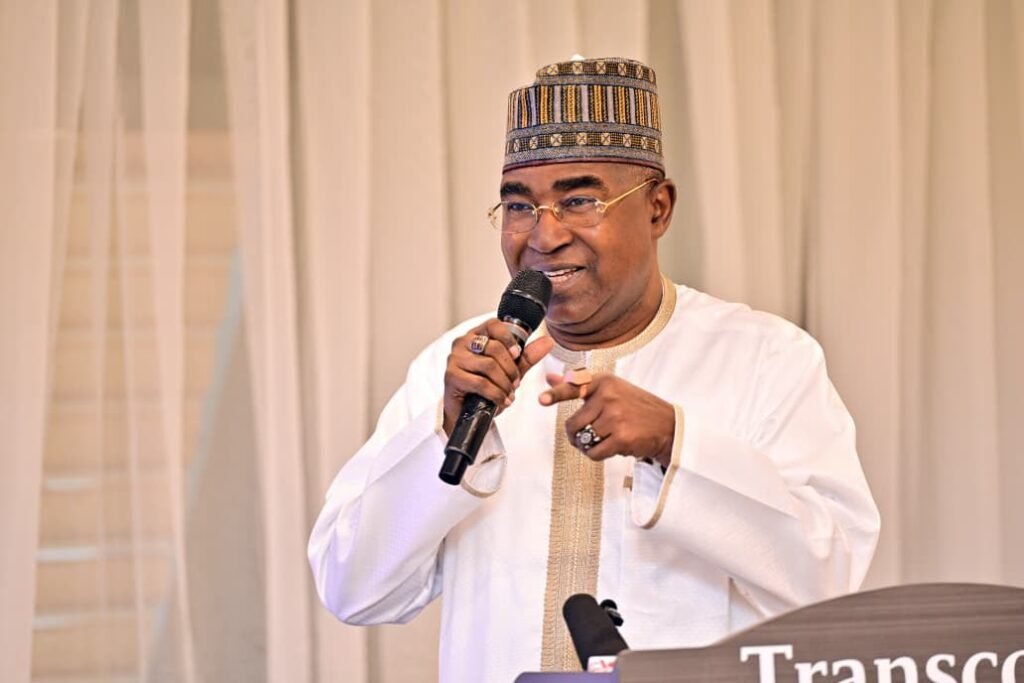
In his welcome address, NDLEA Chairman and Chief Executive Officer, Brigadier General Mohamed Buba Marwa (Rtd.), said the increasing complexity of Nigeria’s drug problem requires a whole-of-government and whole-of-society approach, involving government agencies, communities, schools, families, traditional and religious institutions, civil society organisations, development partners, the private sector and the media.
Marwa said while the agency has recorded significant operational successes, enforcement alone cannot end the country’s drug crisis.
He disclosed that over the past 18 months, the NDLEA arrested 29,262 suspects, seized 5,305,484.88 kilogrammes of assorted illicit drugs valued at more than ₦1.5 trillion, and secured 5,225 convictions, dealing significant blows to drug trafficking networks operating within and outside Nigeria.
Beyond arrests and seizures, the agency has intensified efforts to reduce drug demand through its War Against Drug Abuse (WADA) campaign.
According to Marwa, the NDLEA conducted 6,645 drug prevention and awareness programmes across schools, markets, workplaces, worship centres, correctional facilities and local communities, reaching nearly five million Nigerians with education on the dangers of substance abuse.
He added that 13,508 drug users received counselling, treatment and rehabilitation through the agency’s 31 rehabilitation centres nationwide.
Marwa also highlighted the agency’s Alternative Development Initiative, which supports cannabis farmers in transitioning from illicit cultivation to legitimate cash crop production and other sustainable sources of livelihood.
He said the summit was convened to mobilise stakeholders towards developing a coordinated National Action Plan that strengthens prevention, treatment, rehabilitation, research, policy implementation and community resilience.
Minister of Health and Social Welfare, Professor Muhammad Ali Pate, urged participants to ensure the summit delivers measurable outcomes rather than ending with a communiqué.
“The measure of this summit will not be the communiqué,” he said. “It will be the number of young people who choose not to start drugs, the number of patients who recover, and the number of families restored.”
Represented by the Director of the Department of Food and Drug Services, Rufo Adeola Yusuf, the Minister reaffirmed the Federal Ministry of Health’s commitment to leading and coordinating evidence-based interventions to address substance use disorders across the country.
Also speaking, the United Nations Office on Drugs and Crime (UNODC) called for stronger collaboration and practical action to confront Nigeria’s evolving drug challenge.
Representing the UNODC Country Representative, Dr. Akanidomo Ibanga said emerging drug trends require urgent, coordinated and evidence-based responses, urging stakeholders to translate commitments under Nigeria’s National Drug Control Master Plan into practical and measurable results.
The summit attracted participants from government ministries, security agencies, development partners, civil society organisations and the private sector, all seeking to strengthen Nigeria’s response to illicit drug use and trafficking.
Why This Matters
According to the 2018 National Drug Use Survey the most comprehensive study conducted in Nigeria an estimated 14.3 million Nigerians aged 15 to 64, representing 14.4 per cent of the population, had used drugs other than alcohol or tobacco within a year. The prevalence was almost three times the global average at the time.
With the Federal Government promising stronger collaboration and the NDLEA reporting unprecedented enforcement results, stakeholders say the next test will be translating commitments into sustained action that reduces drug use, protects vulnerable communities and offers those struggling with addiction a pathway to recovery.