
When a patient suffers cardiac arrest or arrives at a hospital with a life-threatening emergency, every second counts.
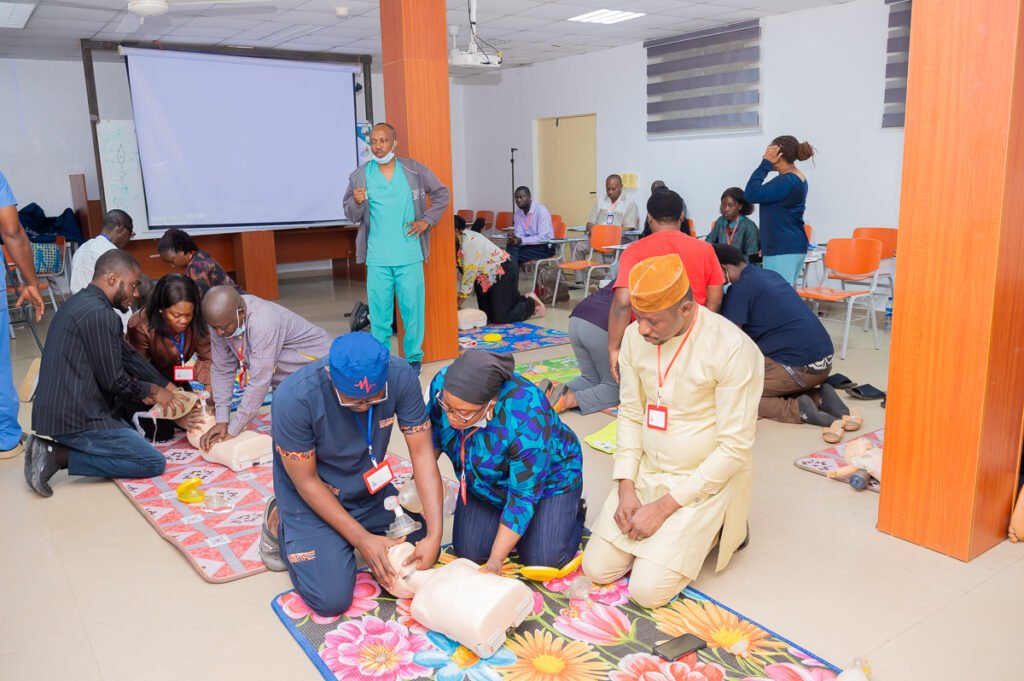
To improve the chances of survival in such critical moments, the Federal Capital Territory Administration (FCTA) has begun training health workers in Basic Life Support (BLS) and emergency response skills.
The four-day American Heart Association-certified programme, holding at Asokoro District Hospital, brings together health workers from seven FCT hospitals ; Asokoro, Maitama, Wuse, Gwarinpa, Kuje, Kubwa and Nyanya.
The training is focused on equipping participants with the skills to recognise emergencies quickly, begin life-saving interventions and keep patients stable while awaiting advanced medical care.
Declaring the programme open, the Mandate Secretary of the Health Services and Environment Secretariat, Dr Dolapo Fasawe, said the initiative is part of efforts to reduce preventable deaths and make emergency care more responsive across FCT hospitals.
Fasawe said the programme follows the National Council on Health’s approval for the rollout of the National Basic Life Support Training Programme nationwide.
She explained that the FCTA wants emergency response to become faster and more coordinated, particularly for patients whose conditions can deteriorate within minutes.
The Administration, she disclosed, is also working towards establishing Code Blue Teams across FCT hospitals to provide immediate intervention for patients in critical conditions.
“Our goal is to consistently record success stories from ‘no pulse to resuscitation’,” Fasawe said.
She added that the skills acquired by participants would not remain within the hospitals, as the health workers would be expected to train colleagues and members of the public as part of the National Community CPR Initiative.
On his part , the Medical Director of Asokoro District Hospital, Dr Oluseyi Ashaolu, described the training as timely, saying appropriate intervention during the first few minutes of an emergency can determine whether a patient survives.
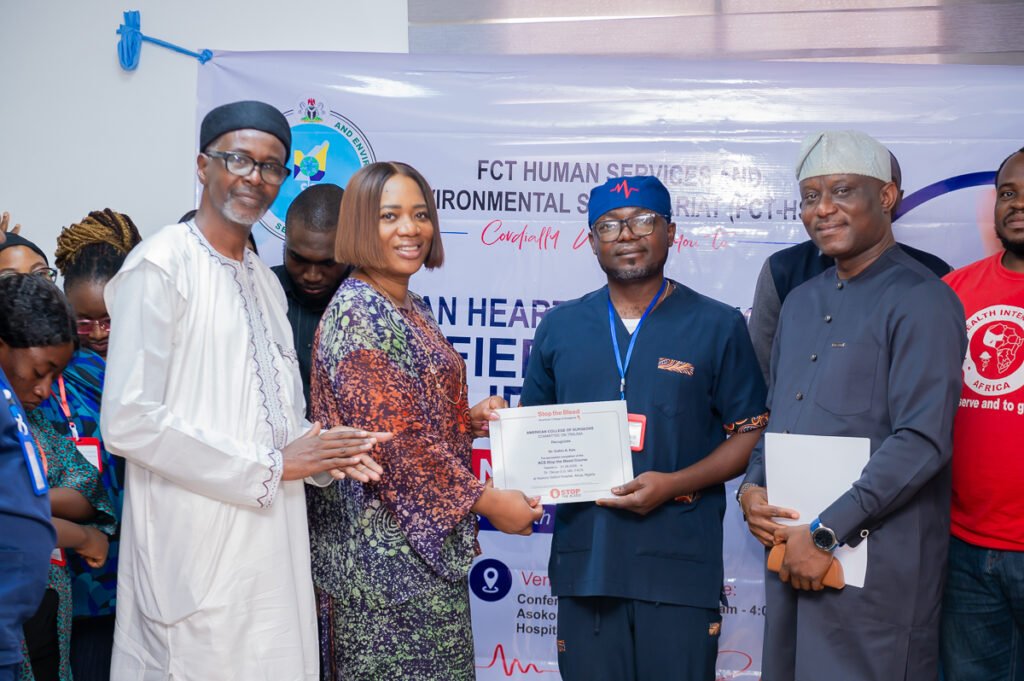
The programme also includes a Stop the Bleeding course, designed to teach participants how to control severe blood loss in trauma patients before definitive medical treatment is available.
Training coordinator, Dr Rosemary Nwokorie, a Consultant Anaesthetist, said the exercise is being conducted in batches, with the first batch taking place on August 21 and 22, and the second scheduled for September 4 and 5, 2026.
Participants will undergo assessments at the end of the programme, with certificates awarded to those who attain the required standard.
With plans to extend the training to more hospitals and provide essential emergency-care equipment, the FCTA says the ultimate objective is straightforward: when a medical emergency strikes, health workers should be ready to act immediately and give patients their best chance of survival.