
Written by
Ishioma Appiah-Yeboah
Health and nutrition stakeholders have called for the full adoption and effective implementation of the Child Nutrition Fund (CNF) as part of efforts to tackle the growing burden of anaemia and malnutrition among women and children in Nigeria.
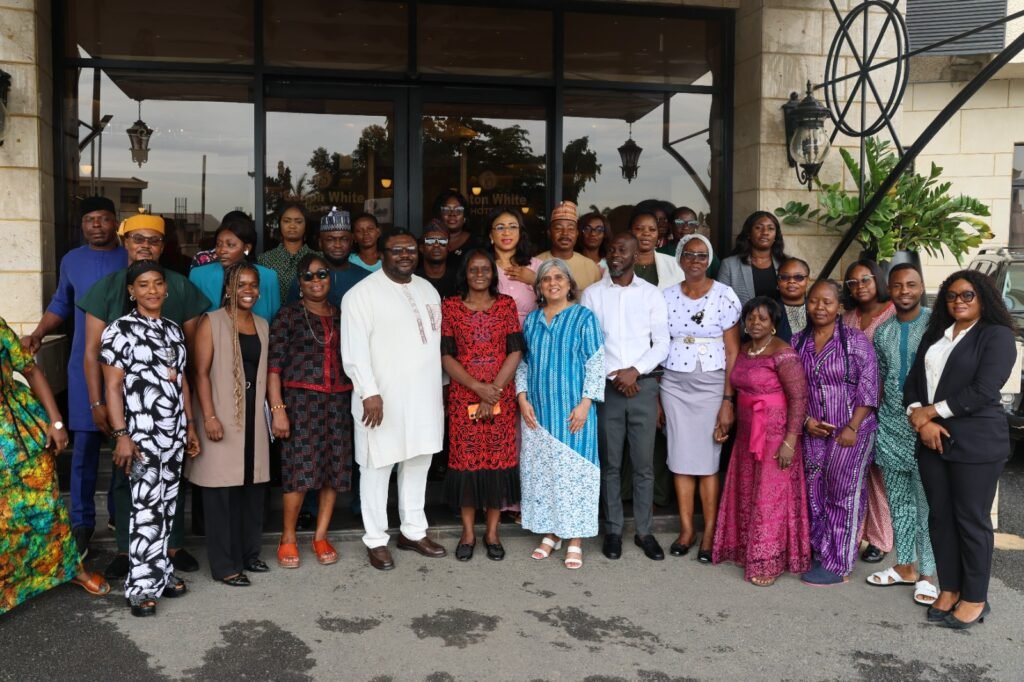
The call was made at a media roundtable in Abuja themed, “Child Nutrition Fund: A Strategic Pathway for Preventing Anaemia and Scaling Access to Life-Saving Nutrition Commodities in Nigeria,” organised by Civil Society–Scaling Up Nutrition in Nigeria (CS-SUNN).
Speaking at the event, CS-SUNN Executive Secretary, Sunday Okoronkwo, described the Child Nutrition Fund as a vital financing mechanism designed to expand access to essential nutrition commodities for vulnerable populations.
He noted that anaemia remains one of Nigeria’s most pressing public health challenges. According to findings from the 2023 Nigeria Demographic and Health Survey, 67 per cent of children aged six to 59 months and 57 per cent of women aged 15 to 49 years are anaemic.
Okoronkwo warned that the high prevalence of anaemia contributes to maternal deaths, low birth weight, poor cognitive development in children and reduced economic productivity.
He explained that the CNF operates on a one-to-one co-financing model between the federal and state governments to procure critical nutrition commodities, including Multiple Micronutrient Supplements (MMS), Vitamin A supplements and Ready-to-Use Therapeutic Foods (RUTF).
According to him, MMS contains 15 essential vitamins and minerals that help prevent anaemia, support healthy pregnancies and improve birth outcomes.
While commending the Federal Government and 20 states for releasing about N7.1 billion between 2023 and 2026 to support nutrition interventions, Okoronkwo expressed concern that several states are yet to fully commit counterpart funding, limiting the programme’s reach.
“The majority of children and women affected by malnutrition are still not receiving the care they need,” he said, urging state governments to prioritise nutrition financing and strengthen access to life-saving supplements.
Also speaking, Director of Nutrition at the Federal Ministry of Health and Social Welfare, Mrs Adegbite Olufunmilola, described anaemia as a major public health challenge affecting national development. She said the Child Nutrition Fund provides a strategic pathway to ensure the availability of essential nutrition commodities across the country.
Representatives of the Federal Ministry of Budget and Economic Planning, UNICEF and Nigeria Health Watch also stressed the need for stronger political commitment, improved accountability and sustained investment in nutrition programmes.
Furthermore, experts say investing in nutrition is critical to reducing maternal and child deaths, improving educational outcomes and boosting economic productivity.
With millions of Nigerian women and children affected by anaemia, stakeholders believe the Child Nutrition Fund could play a transformative role in closing treatment gaps and ensuring access to life-saving nutrition services across the country.