
Written by
ishioma Appiah-Yeboah
The Federal Government has approved ₦32.88 billion for the second quarter 2026 disbursement of the Basic Health Care Provision Fund (BHCPF), a major financing decision expected to sustain frontline health services across Nigeria and accelerate progress toward Universal Health Coverage.
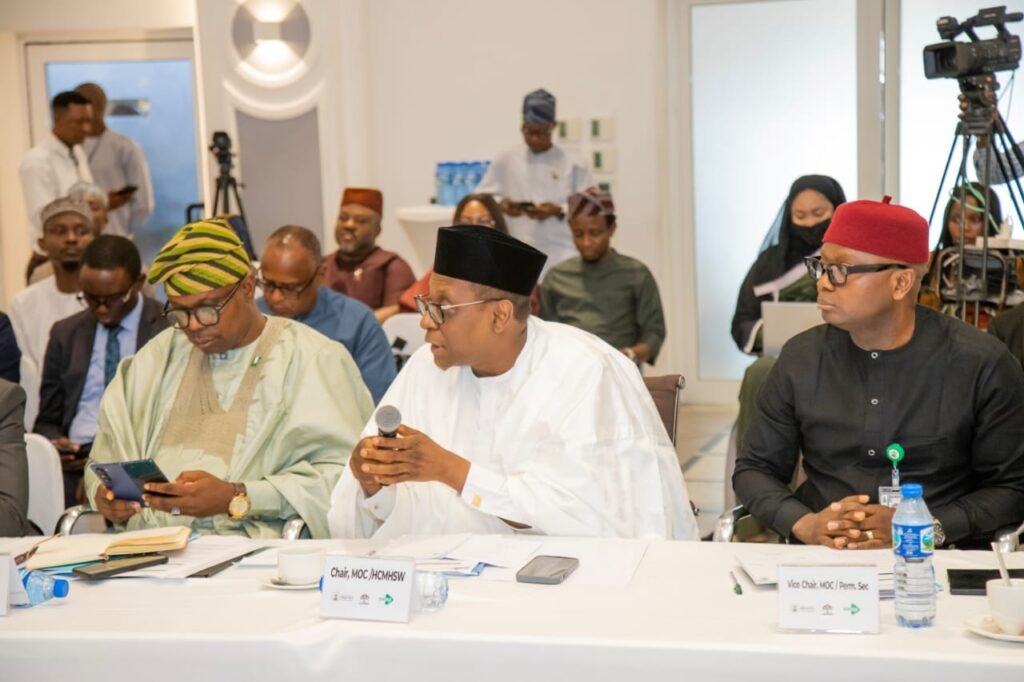
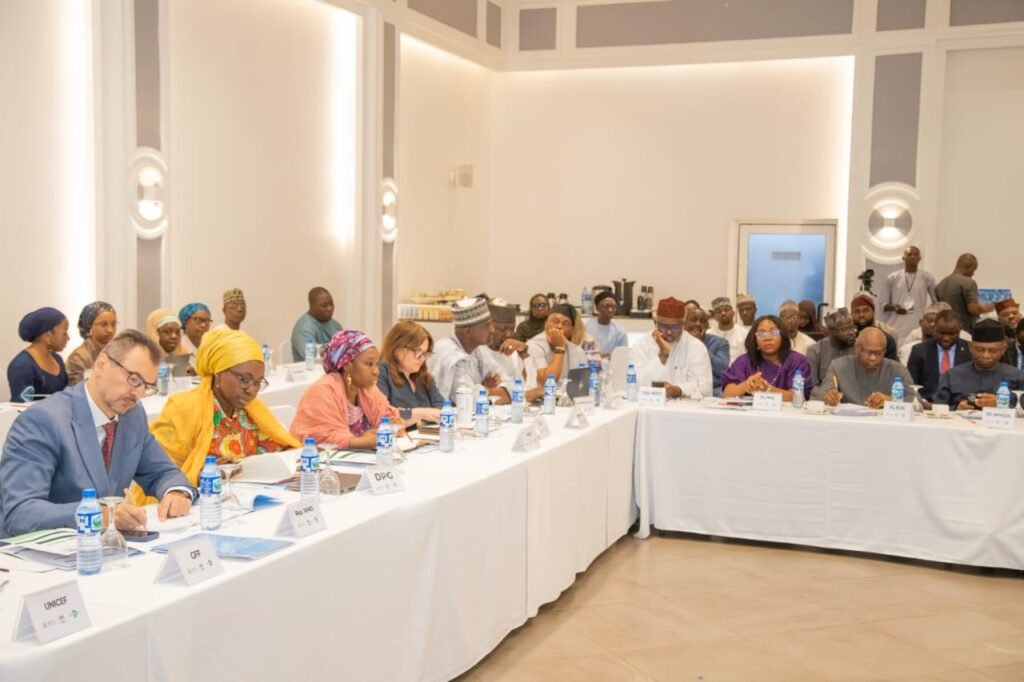
The approval was announced at the 15th Expanded Ministerial Oversight Committee (MOC) Meeting, held on June 26, 2026, in Abuja, where top health sector leaders and development partners reviewed implementation progress under ongoing national health reforms.
The meeting, convened by the Federal Ministry of Health and Social Welfare and chaired by the Coordinating Minister Professor Muhammad Ali Pate, underscored renewed efforts to improve accountability, strengthen coordination, and enhance financing efficiency under the National Health Sector Renewal Investment Initiative (NHSRII) and the Sector-Wide Approach (SWAp) framework.
Key Funding and Governance Decisions
At the centre of the meeting was the approval of ₦32,880,443,906.25 under the BHCPF Q2 2026 disbursement memo. The funding is expected to support essential healthcare delivery nationwide, particularly at primary healthcare levels where millions of Nigerians access basic services.
In a move aimed at widening participation in health governance, the Committee also approved modalities for the inclusion of private sector actors in the MOC framework. Officials say the reform is designed to strengthen collaboration, improve efficiency, and expand investment in the health sector.
The Committee further directed the MOC Secretariat to formally engage all 36 states, reinforcing compliance with counterpart funding obligations and equity fund commitments, a step seen as critical to sustaining health financing reforms at subnational levels.
Stakeholders Push for Stronger Accountability and Coordination
The meeting brought together key implementing agencies including the National Health Insurance Authority, National Primary Health Care Development Agency, Nigeria Centre for Disease Control and Prevention, and other national health institutions responsible for delivery under the BHCPF and related programmes.
Development partners including the World Health Organization, United Nations Children’s Fund, World Bank, and the Bill & Melinda Gates Foundation also participated, alongside civil society organisations and state-level health officials.
Discussions focused heavily on improving accountability systems, addressing operational gaps in programme delivery, and ensuring better coordination across implementing “gateways” under the SWAp structure. Stakeholders also emphasized evidence-based decision-making and more efficient use of health resources.
Strengthening Emergency Preparedness and Health Systems
Beyond financing, the Committee reviewed Nigeria’s readiness for public health emergencies, including the status of molecular diagnostic laboratories and isolation centres, with emphasis on improving national response capacity for disease outbreaks.
These discussions come amid broader efforts to strengthen health security infrastructure and ensure the country is better prepared for future epidemics and other public health threats.
Reaffirmation of Reform Commitment
The meeting concluded with a strong reaffirmation of government commitment to deepening health sector reforms, improving governance structures, and accelerating progress toward equitable and quality healthcare delivery.
The Federal Ministry of Health and Social Welfare reiterated that efficient resource utilization and stronger inter-agency coordination remain central to achieving sustainable Universal Health Coverage goals.
The 15th MOC meeting is seen as a critical checkpoint in Nigeria’s ongoing health sector transformation agenda, particularly as the country intensifies reforms aimed at improving access, quality, and resilience of healthcare services nationwide.