
Written by
Ishioma Appiah-Yeboah
The National Drug Law Enforcement Agency, NDLEA, and the National Centre for the Control of Small Arms and Light Weapons have agreed to strengthen collaboration to combat the growing link between illicit drug trafficking and the proliferation of illegal arms in Nigeria.
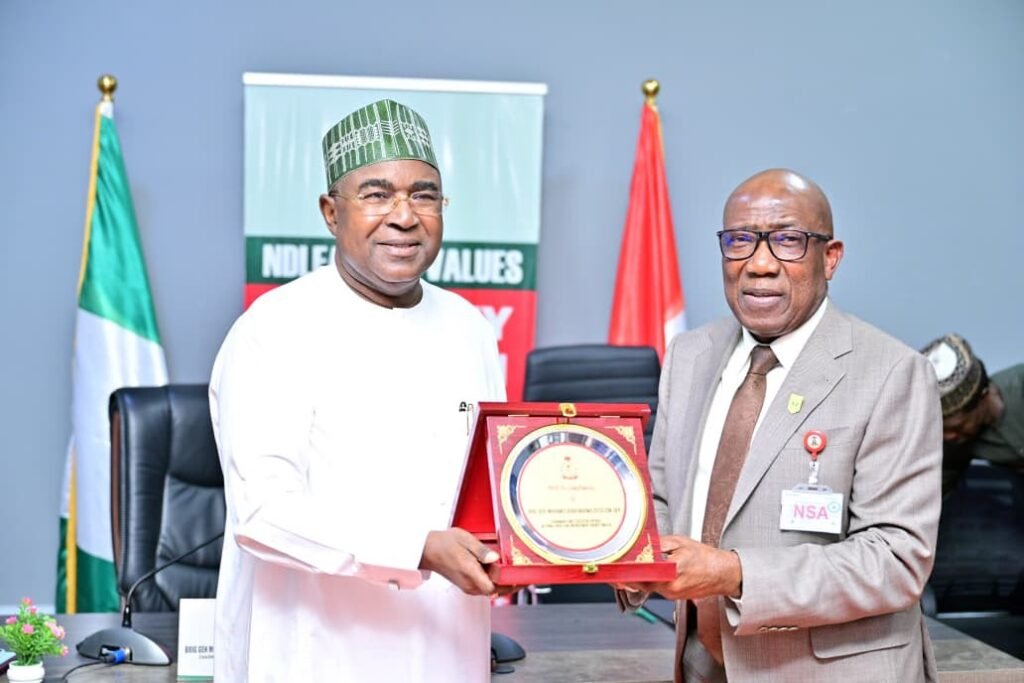
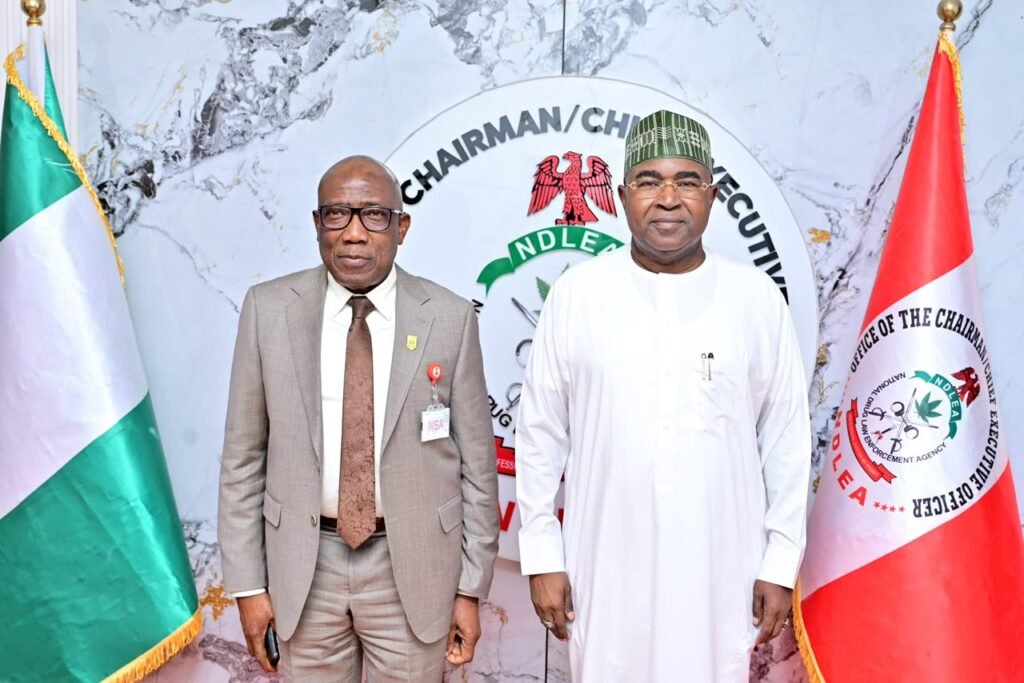
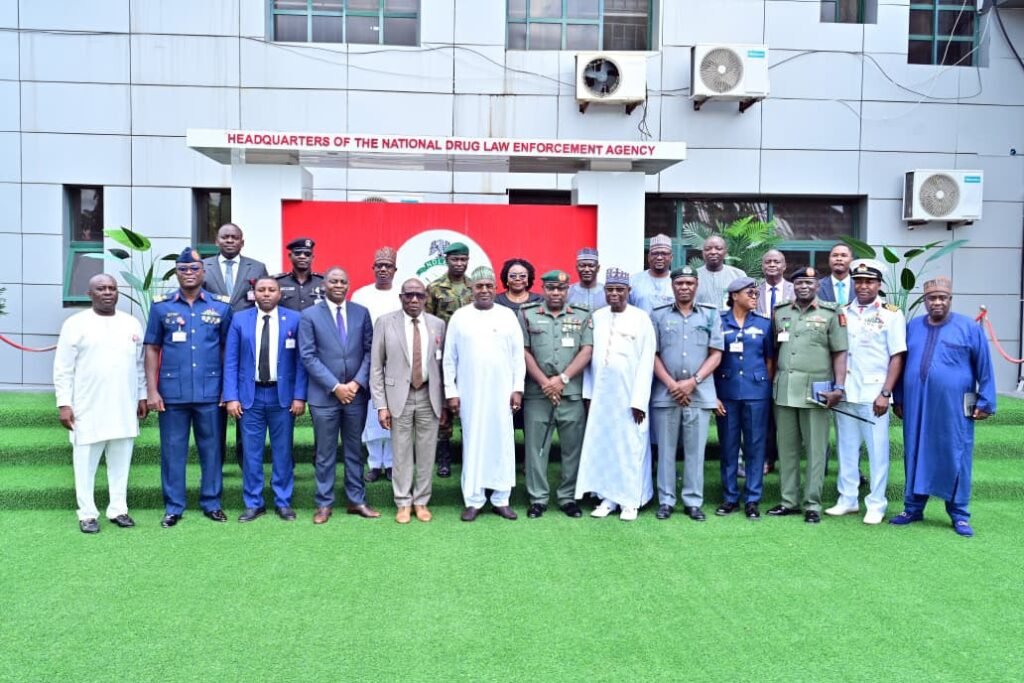
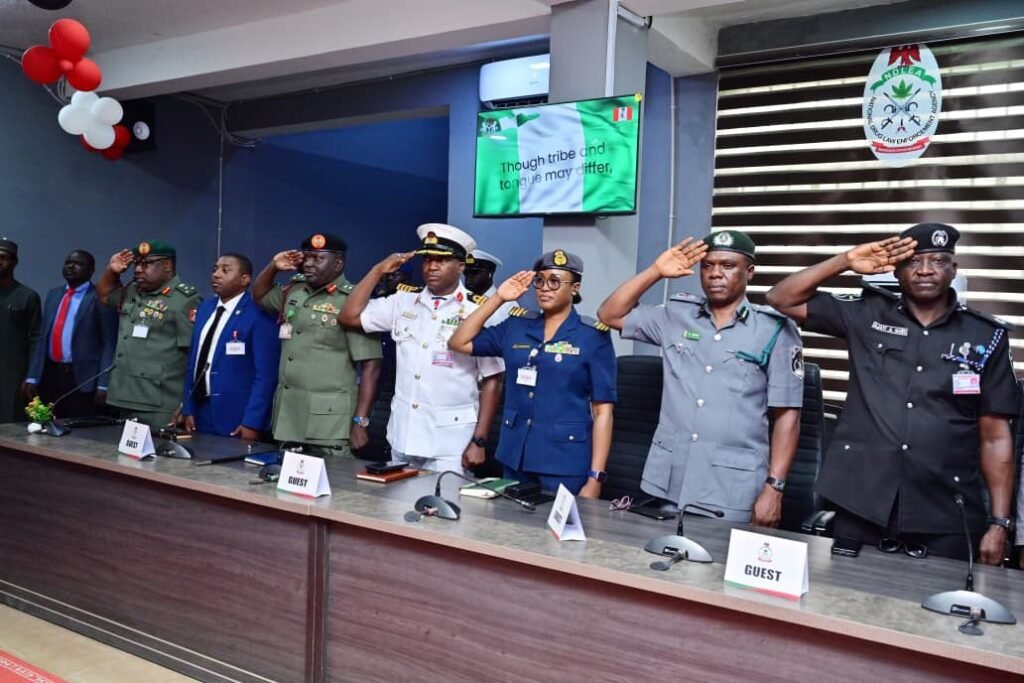
The commitment was made during a courtesy visit by the management of the National Centre to the NDLEA headquarters in Abuja on Monday.
Leader of the delegation and National Coordinator of the Centre, DIG Johnson Babatunde Kokumo (Rtd), said the visit was driven by the increasing connection between drug trafficking and the illegal movement of small arms, which continue to fuel terrorism, kidnapping, armed robbery and other violent crimes across the country.
He explained that the Centre has identified three major sources of illicit weapons in Nigeria: smuggling through the country’s porous borders, diversion of firearms from government armouries, and illegal local manufacturing of weapons.
Kokumo noted that tackling the problem requires stronger collaboration among security agencies, describing the NDLEA as a key partner in disrupting criminal networks that often deal in both drugs and arms.
He also urged the agency to hand over any illicit firearms recovered during its operations to the Centre for proper documentation and destruction, in line with international conventions, while commending the NDLEA for its participation in arms destruction exercises and stockpile management training programmes.
Responding, NDLEA Chairman and Chief Executive, Brigadier General Mohammed Buba Marwa (Rtd), welcomed the partnership, saying the proliferation of small arms remains one of Africa’s greatest security challenges.
Drawing from his experience at the United Nations, Marwa recalled how the widespread availability of illegal weapons contributed to conflicts across the continent, stressing that combining illicit drugs with illegal arms creates an even greater threat to national security.
The NDLEA boss pledged the agency’s full support for the Centre, announcing plans to establish a joint technical team to develop practical areas of cooperation, including investigations, intelligence sharing, training and the safe management of recovered weapons.
The meeting also highlighted the need for stronger inter-agency cooperation as Nigeria intensifies efforts to dismantle organised criminal networks that profit from both drug trafficking and the illegal arms trade.
The partnership is expected to enhance intelligence sharing, improve the destruction of recovered weapons, and strengthen Nigeria’s overall response to insecurity by addressing two of the major drivers of violent crime simultaneously.